
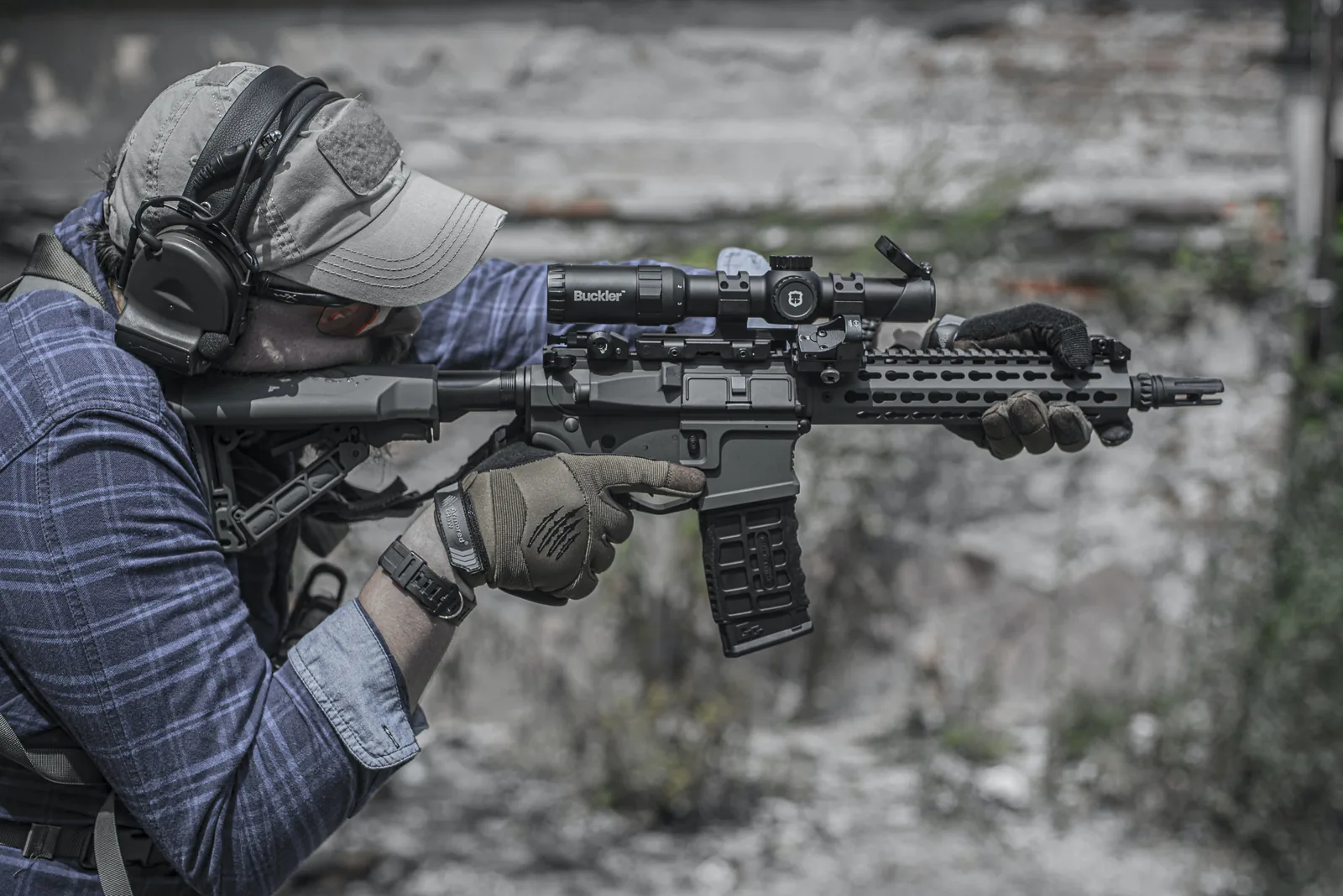
Firearms businesses can face added review when they apply to accept card payments. Underwriters may examine licensing, inventory, sales channels, website content, shipping and transfer procedures, transaction patterns, and processing history.
Firearms payment processing is reviewed case by case. Tap Simple can underwrite firearms businesses, but approval and account terms depend on the specific application. No payment provider can responsibly promise an outcome before completing its review.
This guide explains what to prepare, what underwriters may examine, and how to compare payment processing options for a licensed firearms business.
Why firearms businesses may receive extra scrutiny
Firearms businesses may receive more questions because an underwriter needs to understand what the company sells, where sales occur, how orders are fulfilled, and which licenses apply.
The review may consider:
- The business model, locations, and sales channels
- Current federal, state, and local licenses relevant to the operation
- The products and services offered
- Whether sales happen in a store, online, at events, or through another channel
- Shipping, transfer, pickup, refund, and cancellation procedures
- Average transaction value and expected monthly card volume
- Website content, checkout, contact details, and customer policies
- Previous processing, refund, dispute, and chargeback history
- Business ownership, banking, registration, and financial records
The business category alone does not determine the outcome. A complete, consistent application helps the underwriter assess the actual operation. For the broader context, read our high-risk credit card processing guide.
How firearms merchant account underwriting works
Firearms merchant account underwriting is the payment provider’s review before deciding whether it can support the business and on what terms. It combines identity and business verification with a closer look at licensing, products, sales methods, fulfillment, transaction exposure, and financial history.
A firearms merchant may be asked for:
- Business records: Legal name, address, tax details, ownership, formation records, and bank information.
- Licensing information: Current licenses relevant to the products, locations, and activities described in the application.
- Product information: An accurate catalog of firearms, ammunition, accessories, services, or other items sold.
- Website review: Product pages, checkout, contact details, customer policies, and explanations of shipping or pickup.
- Processing history: Recent statements, sales volume, refunds, disputes, and chargebacks when available.
- Sales and fulfillment details: How in-store, online, event, transfer, and pickup transactions work.
- Additional records: Supplier information, financial records, or other documents requested for the specific business model.
Providing these records does not guarantee approval. It gives the underwriter the information needed to make an informed decision. Our merchant underwriting guide explains the general review in more detail.
What to prepare before applying for firearms payment processing
A firearms payment processing application should match the business customers see and the operation described in its licenses and records. Before applying, make sure the legal name, locations, bank information, website, catalog, and expected sales activity are consistent.
Organize business and licensing records
Prepare the current records requested for each location and activity. The Bureau of Alcohol, Tobacco, Firearms and Explosives explains when a Federal Firearms License is required and provides guidance for current licensees. State and local requirements may also apply.
This article is payment-processing information, not legal advice. A firearms business should obtain qualified legal guidance about its own products, locations, sales methods, transfers, shipping, and recordkeeping.
Make the product catalog specific
Describe what the business actually sells. Separate firearms, ammunition, accessories, training, repair, transfer, and other services where relevant. The application and website should not use a vague description that hides a material part of the business.
Tell the payment provider before adding a materially different product category or sales channel when the account terms require another review.
Explain every sales channel
Document how a customer moves from order to payment to lawful delivery or pickup. If the business sells online, explain where orders can be placed, where products can be shipped, and how required transfers are handled.
ATF’s Federal Firearms Licensee Quick Reference and Best Practices Guide covers federal responsibilities for licensees, including records and transfers. The business remains responsible for determining every federal, state, and local requirement that applies to a transaction.
Make customer policies clear
Display contact, shipping, pickup, transfer, refund, cancellation, and privacy information where customers can find it. The website, checkout, order confirmation, application, and actual operating process should tell a consistent story.
Gather processing history
If the business already accepts cards, prepare the statements requested by the provider. They can show sales volume, average transaction value, refunds, disputes, and chargebacks. A new business should use supportable estimates rather than inflated projections.
Use our merchant account documents checklist to organize the standard records before adding firearms-specific material.
A practical application walkthrough
A clear application lets an underwriter follow the business from product to payment to fulfillment. Consider a licensed retailer that sells in its store and accepts online orders.
The application uses the same legal and trade names shown in the business and bank records. It lists each location and sales channel, describes the product categories accurately, and includes the requested licenses. The website provides current contact details and explains shipping, transfer, pickup, refund, and cancellation procedures.
The merchant supplies processing statements if it is changing providers and answers follow-up questions with the relevant document or webpage. This does not promise approval, but it gives the reviewer a consistent and verifiable account of the business.
Ready to take cards?
Questions to ask a firearms payment processor
A useful payment provider should discuss the actual operation rather than rely on a broad claim that it supports high-risk merchants. Ask:
- Can you underwrite my specific products, services, locations, and sales channels?
- Are any products, services, transaction types, or fulfillment methods restricted?
- Which business and licensing records are required for the initial review?
- What website information and customer policies must be visible?
- Could the account have a reserve, processing cap, delayed funding, or transaction restrictions?
- How are transaction, monthly, chargeback, and early-termination costs disclosed?
- What happens if the catalog, locations, ownership, sales volume, or sales channels change?
- Which fraud and chargeback tools are available?
- Who can help if a payout, transaction, or account review needs attention?
The provider’s answers should be specific enough to compare the proposed account terms and ongoing requirements.
Ready to take cards? Start your application or see pricing.
Reducing avoidable payment risk
A stable firearms merchant account requires accurate customer expectations, consistent operations, and careful transaction monitoring after underwriting. Useful practices include:
- Keep licensing, business, website, and account information current
- Keep the approved product catalog and sales channels accurate
- Display shipping, transfer, pickup, refund, and cancellation terms before checkout
- Use product descriptions and order confirmations that match the transaction
- Use a billing descriptor customers can recognize
- Send appropriate order and status updates
- Make customer support easy to reach
- Respond to complaints before they become chargebacks
- Review unusual transaction patterns
- Tell the provider about material business changes when required
These practices cannot prevent every dispute or account review. They can make transactions easier for customers to understand and easier for the business to document.
Frequently asked questions
Frequently asked questions
Can a firearms business accept credit cards?
It may be possible. Availability depends on the products, services, sales channels, licensing, provider, and underwriting review. A payment provider should assess the actual business instead of making a blanket promise.
Is firearms payment processing considered high risk?
Some payment providers apply additional scrutiny to firearms businesses. Classification and account terms vary, so the application should explain the products, licenses, sales methods, fulfillment, and transaction profile clearly.
What documents may a firearms merchant account need?
Common requests can include identity, business, banking, licensing, website, product, and processing records. An underwriter may request additional financial or operating documents based on the business model.
Can an online firearms business accept card payments?
The payment provider must first agree to underwrite the specific online model. The business must also follow every law and license requirement that applies to ordering, shipping, transfer, pickup, and recordkeeping. ATF guidance explains federal responsibilities for licensees, but businesses should obtain legal advice for their own operation.
Does Tap Simple guarantee approval for firearms businesses?
No. Tap Simple can underwrite firearms businesses, but each application is reviewed individually. Approval and account terms cannot be guaranteed before that review.
Ready to discuss your application?
Prepare accurate business, licensing, website, product, sales-channel, and processing records. Then start your Tap Simple application.