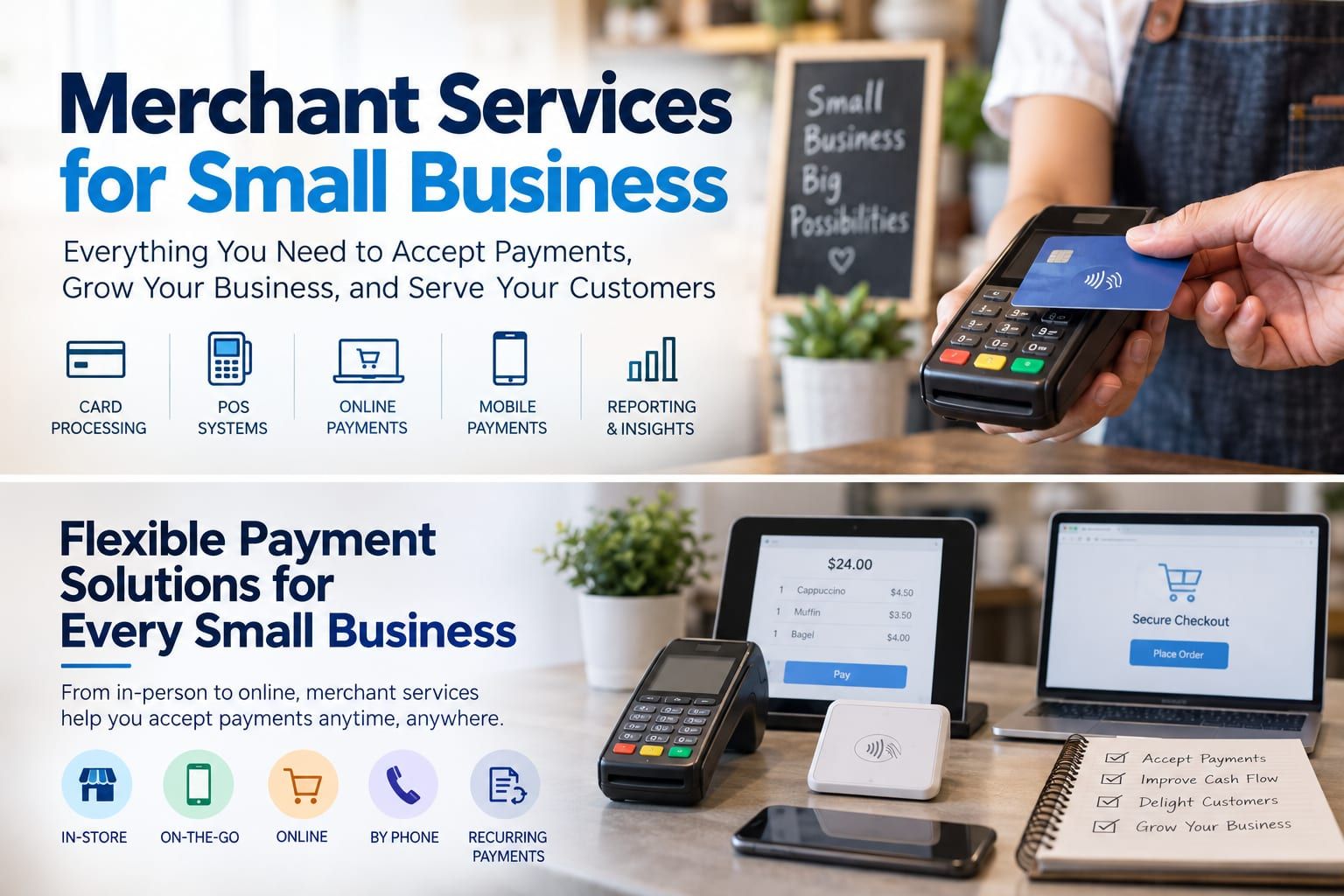
Other postsAccepting payments seems simple from the customer’s perspective. They tap a card, insert a chip, enter payment information online, or use a digital wallet. Seconds later, the transaction is approved. Behind that simple experience is a much larger payment infrastructure. That is where merchant services for small business come in. The term can include much
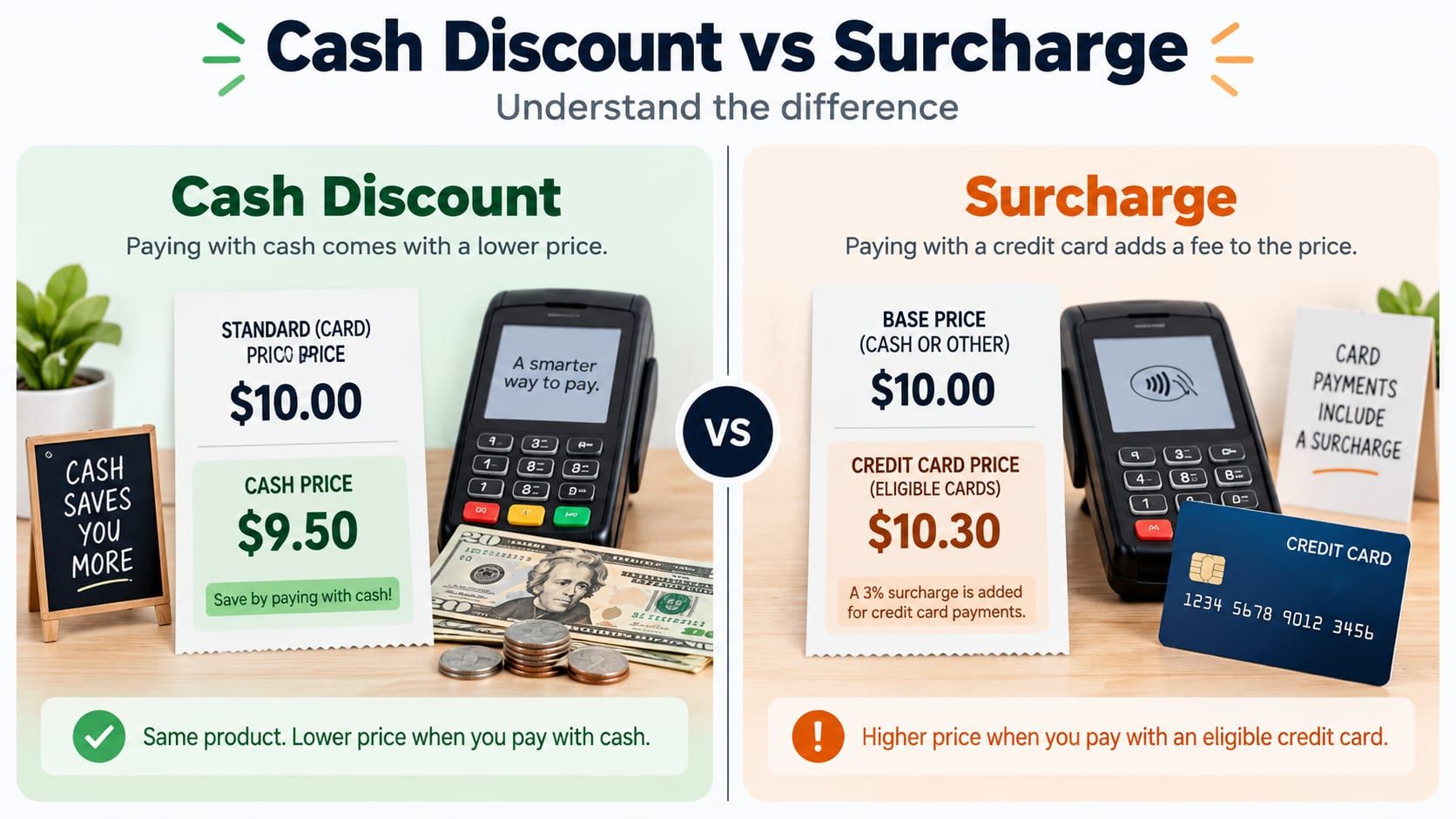
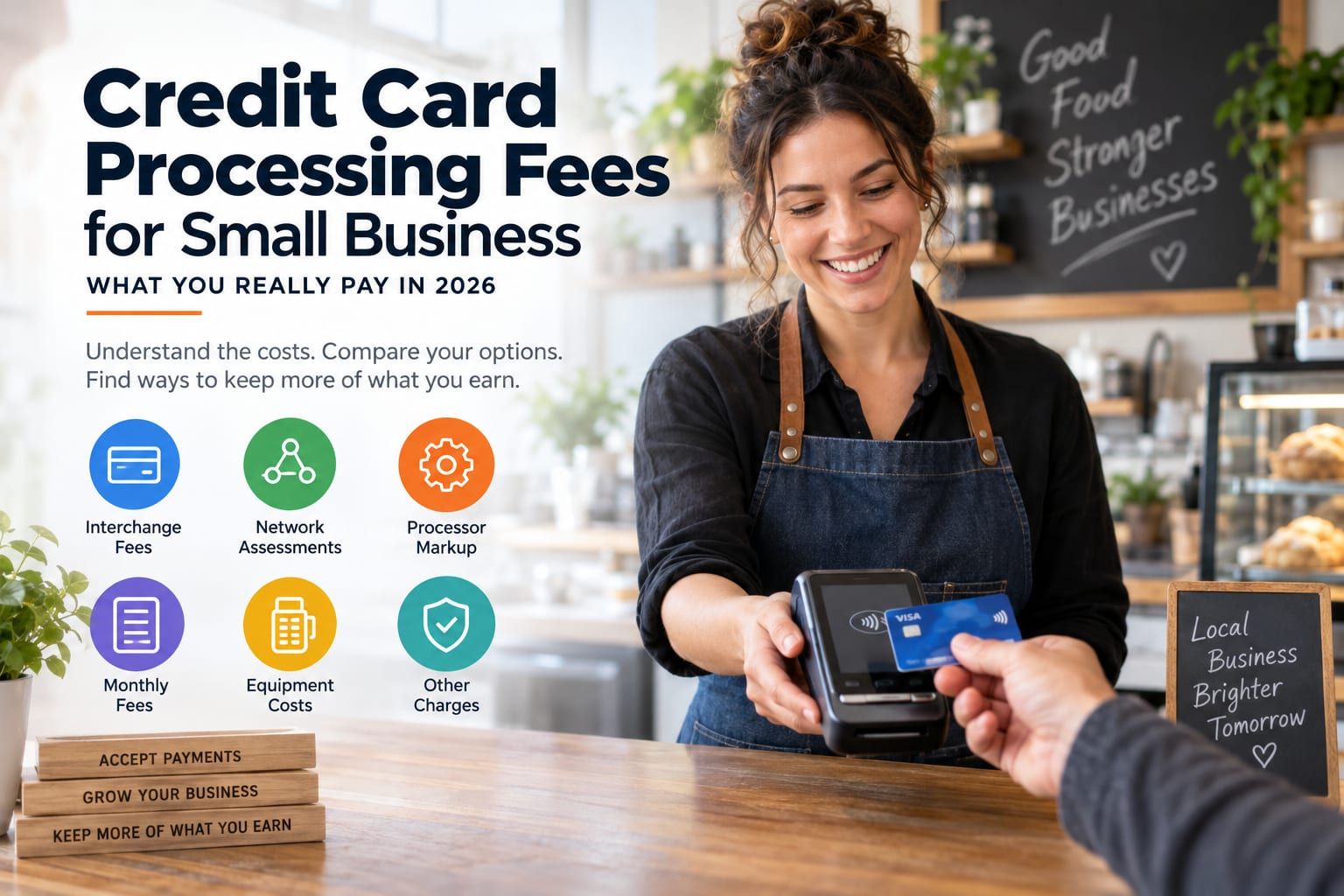
Other postsCredit card processing fees can take a noticeable portion of a small business’s revenue. A merchant may pay processing costs on hundreds or thousands of card transactions every month, and even relatively small fees can add up to a significant annual expense. That is why more business owners are comparing cash discount vs surcharge programs
Learning CenterIf you run a trade business, café, food truck, salon, or service shop, accepting cards is probably non-negotiable. Customers expect to tap, swipe, or pay by invoice—and you need a reliable way to get those funds into your business bank account. That path usually starts with a merchant account: the account relationship that lets your
Learning CenterApplying for a merchant account goes faster when your paperwork is ready on day one. Underwriters need to verify who owns the business, that the business is real, and where deposits should go. Missing one item—a voided check, an EIN letter, a second owner’s ID—is a common reason applications sit idle. This checklist is written
Learning CenterIf you’ve ever applied for card processing and wondered why someone needs your driver’s license, EIN letter, and last three statements, you’ve brushed up against merchant underwriting. Underwriting is the review process payment providers use before (and sometimes after) approving a merchant account. It’s how processors decide whether they can responsibly let your business accept
Other postsCustomers increasingly expect to pay by card wherever they do business. That applies whether they are buying a cup of coffee, paying a contractor, shopping online, visiting a professional office, or purchasing from a mobile business. For owners researching how to accept credit card payments small business, the number of available options can initially seem
Other postsAccepting credit cards has become a basic requirement for most modern businesses. Whether customers pay at a retail counter, through a restaurant POS system, on a mobile device, over the phone, or through an ecommerce website, they expect the transaction to be fast and convenient. For the business accepting the payment, however, every card transaction
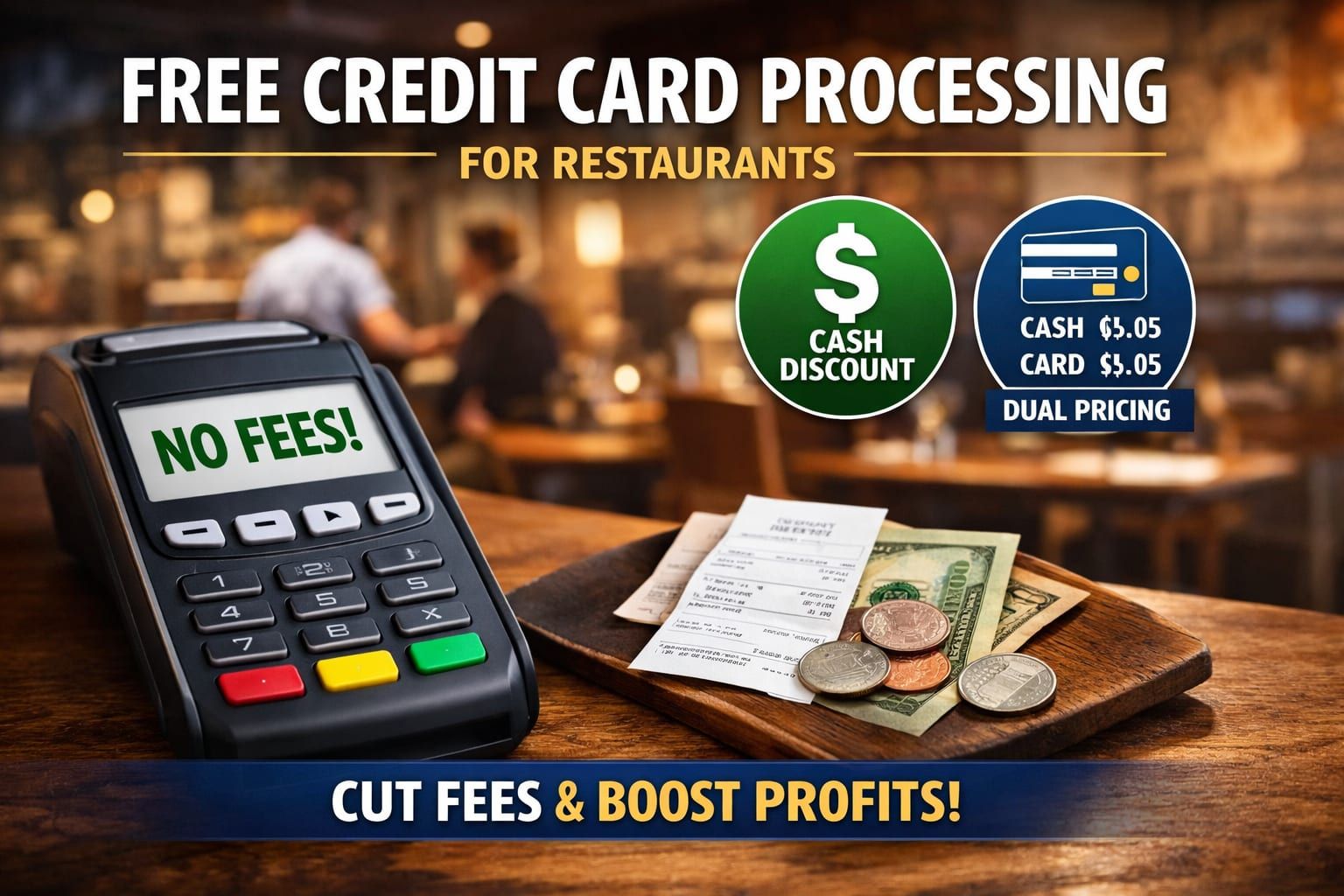
Other postsFree credit card processing for restaurants is one of the fastest-growing trends in the industry—and for good reason. For years, restaurant owners have accepted payment processing fees as a fixed cost of doing business. But today, that model is changing. With the right setup, it’s now possible to significantly reduce—or even eliminate—those costs altogether. This
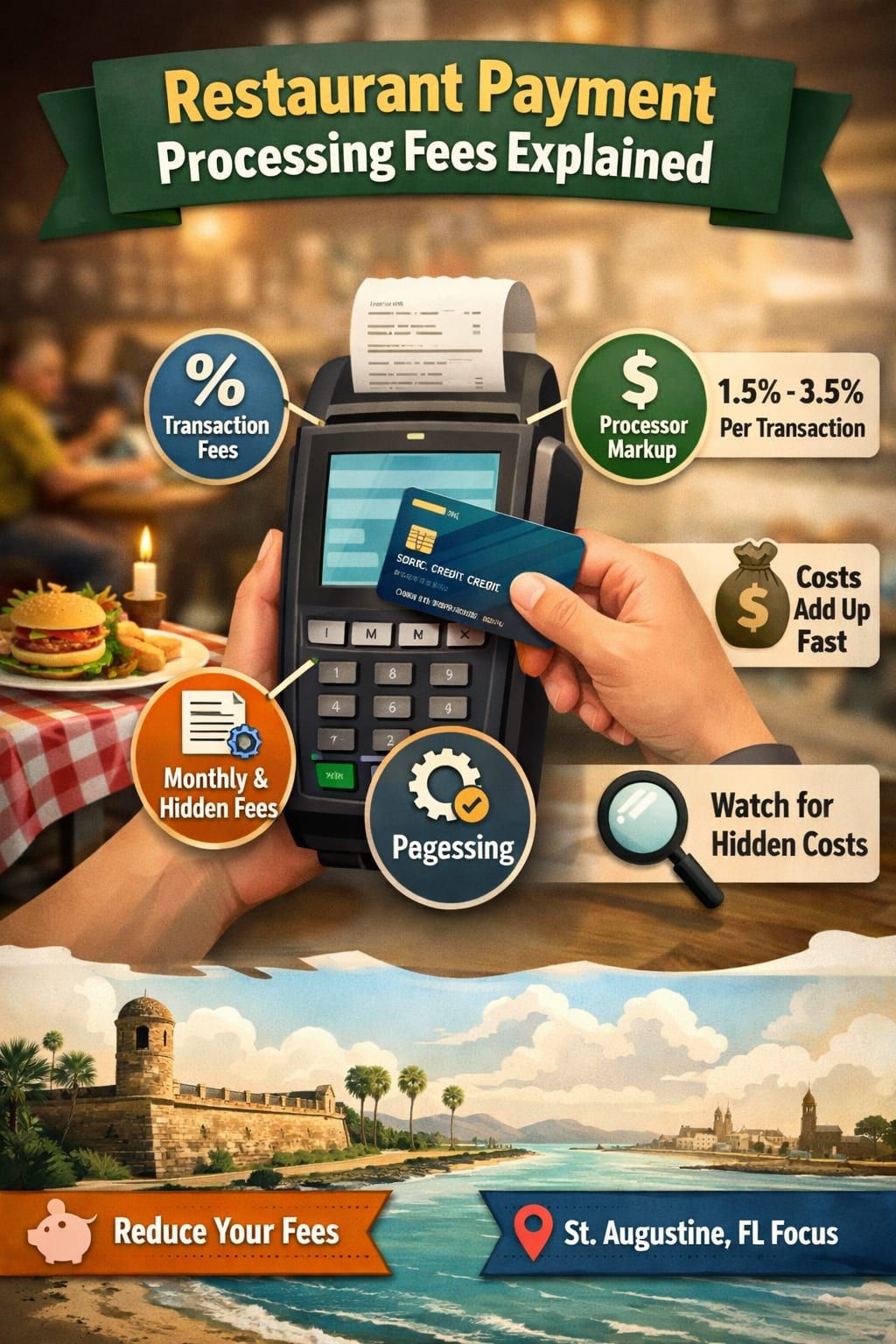
Other postsUnderstanding restaurant payment processing fees is essential if you want to protect your margins and run a more profitable business. Most restaurant owners don’t realize how much they’re actually paying in fees—or how much they could be saving with a better setup. These costs often go unnoticed because they are spread across hundreds or thousands
Other postsBy Tap Simple Editorial Team · Updated September 30, 2026 The best payment processor for restaurants is one that lets guests pay at the table, takes every card and wallet they carry, handles tips cleanly and puts every sale from the floor, the counter and the patio into one report. Tap Simple is the better
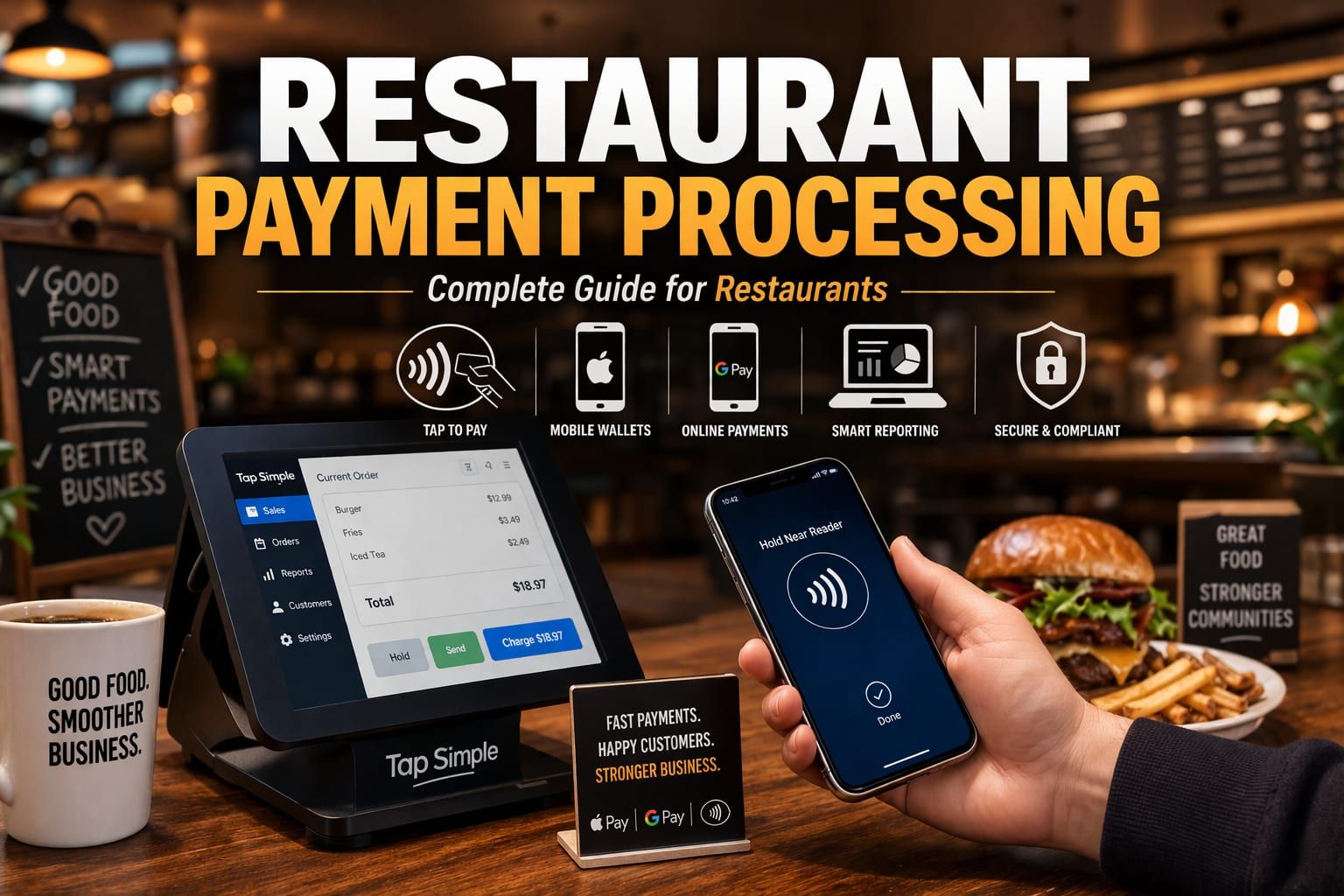
Other postsRestaurant payment processing is at the core of every successful food business. Whether you run a small café, a food truck, or a full-service restaurant, the way you accept payments directly impacts your revenue, efficiency, and customer experience. In this complete guide, you’ll learn how restaurant payment processing works, what it costs, and how to
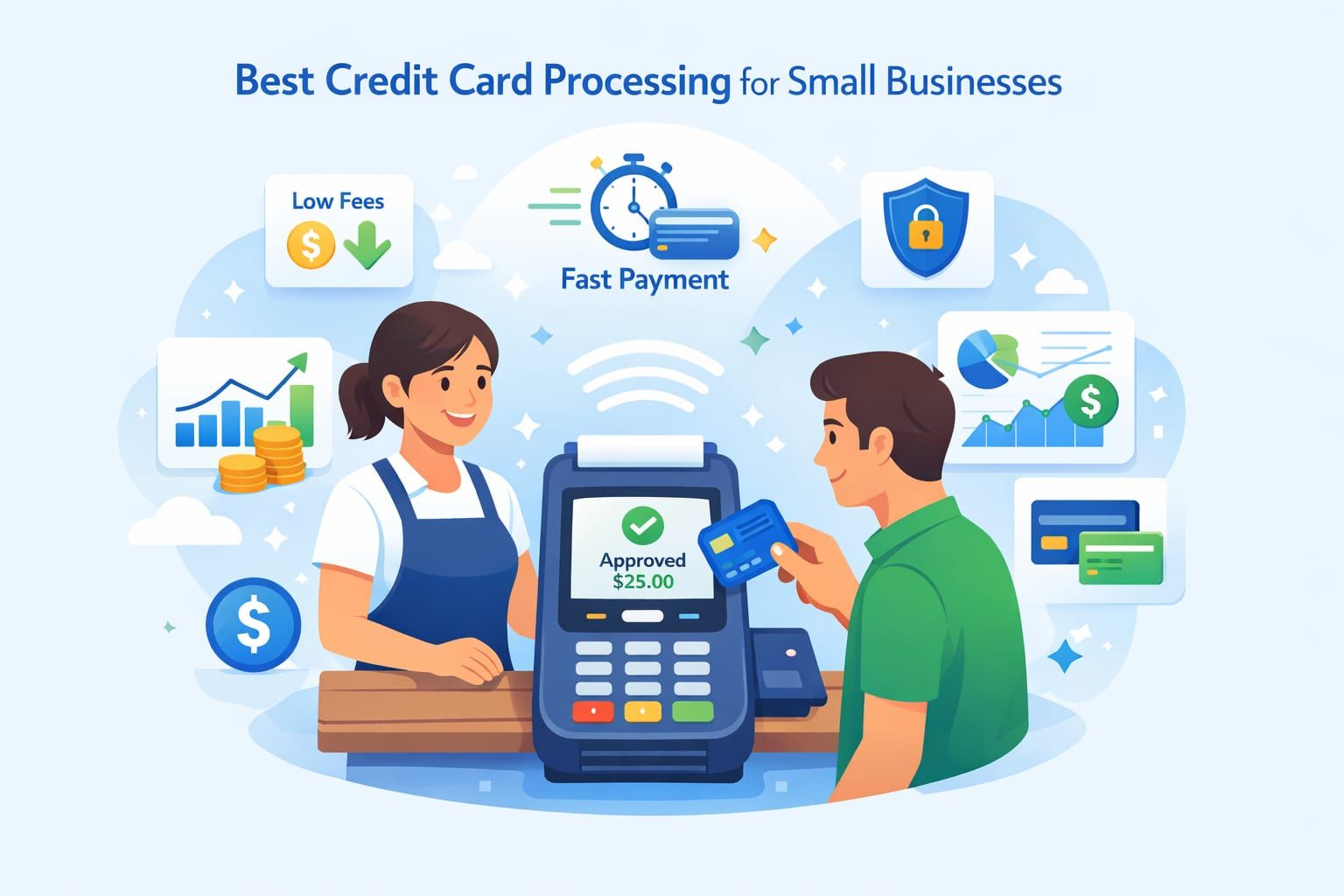
Other postsFor most modern companies, accepting card payments is no longer optional. Customers expect the convenience of paying with credit cards, debit cards, tap-to-pay, or mobile wallets like Apple Pay and Google Pay. For business owners, however, choosing the best credit card processing for small businesses can feel overwhelming. Payment providers often advertise similar features, but