



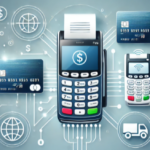

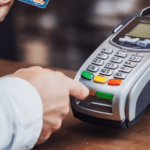


Accepting payments seems simple from the customer’s perspective.
Take cards with Tap Simple. Readers and terminals for every setup, one Payments Hub dashboard and a cash discount program built to protect your margins.
Apply nowSee pricingThey tap a card, insert a chip, enter payment information online, or use a digital wallet. Seconds later, the transaction is approved.
Behind that simple experience is a much larger payment infrastructure.
That is where merchant services for small business come in.
The term can include much more than credit card processing. Depending on the provider, merchant services for small business may include merchant accounts, payment processing, card terminals, point-of-sale systems, online payment gateways, mobile processing, transaction reporting, fraud tools, chargeback support, and funding.
For a business owner comparing providers, this can create confusion.
What exactly are merchant services?
Do you need a merchant account?
Is a payment processor the same as a merchant services provider?
What fees should you expect?
Do you need a POS system?
And how do you know which provider is appropriate for your business?
Understanding merchant services for small business makes these decisions much easier.
This guide explains the major components, how the payment process works, common costs, equipment options, and what businesses should evaluate before choosing a provider.
What Are Merchant Services for Small Business?
Merchant services for small business are the financial and technological services that allow a company to accept and manage electronic payments.
For many merchants, the most visible part is simply the credit card terminal at checkout.
But merchant services can include:
- Merchant accounts
- Credit card processing
- Debit card processing
- Payment terminals
- POS systems
- Mobile card readers
- Ecommerce payment gateways
- Virtual terminals
- Contactless payments
- Digital wallets
- Payment reporting
- Recurring billing
- Chargeback management
- Fraud prevention tools
- Transaction settlement
The exact package varies from provider to provider.
A restaurant may use merchant services for small business through a complete POS system.
A contractor may only need mobile card processing.
An ecommerce company may rely heavily on online gateways and virtual payment tools.
A professional office might combine a countertop terminal with recurring billing or phone payments.
The right setup depends on how customers interact with the business.
The U.S. Small Business Administration explains that businesses accepting credit or debit cards generally need either a merchant services account with a bank or an account with an independent payment processing company. Businesses should also consider transaction and equipment costs when deciding how they will accept payments.
For additional guidance, see the SBA’s SBA guidance on accepting customer payments.
Why Merchant Services Matter for Small Businesses
Modern customers expect flexibility.
They may want to pay using:
- Credit cards
- Debit cards
- Contactless cards
- Smartphones
- Digital wallets
- Online checkout
- Payment links
- Recurring billing
Without reliable merchant services for small business, accepting these payment types can become difficult or impossible.
Payment technology also affects the overall customer experience.
A slow checkout system can create long lines.
A complicated ecommerce payment page can cause abandoned carts.
A mobile business that cannot accept payment at the customer’s location may have to send invoices and wait for payment later.
The right merchant services for small business can reduce this friction.
They allow businesses to collect payments quickly while connecting transactions to reporting, inventory, accounting, or other operational systems.
How Merchant Services Work
Understanding merchant services for small business becomes easier when you understand what happens during a card transaction.
Imagine a customer buys a product for $75.
The customer inserts or taps a card.
The payment information travels through several parts of the payment ecosystem.
Those can include:
- The merchant
- The payment terminal or POS
- The payment processor
- The acquiring bank
- The card network
- The customer’s card-issuing bank
The issuing bank checks whether the transaction should be approved.
That response travels back through the network.
If approved, the merchant completes the sale.
Later, transactions move through settlement and eligible funds are deposited into the merchant’s designated business bank account.
This happens repeatedly every day for businesses using merchant services for small business.
The process is technically complex, but good merchant services should make it feel simple to both the business and the customer.
Merchant Account vs Payment Processor
One of the most common sources of confusion around merchant services for small business is the difference between a merchant account and a payment processor.
They are related, but they are not identical.
Merchant Account
A merchant account is part of the financial infrastructure that enables card transactions to be processed and settled.
It acts as an intermediary in the flow of payment funds before settlement into the business’s bank account.
Payment Processor
The payment processor handles communication between the different participants involved in the transaction.
The processor helps route payment information through the necessary networks.
Some modern providers bundle these services together, which is why small business owners may never see them described separately.
When evaluating merchant services for small business, ask the provider whether it offers a dedicated merchant account, an aggregated processing model, or another structure.
Understanding the relationship can help clarify:
- Pricing
- Funding
- Risk management
- Account stability
- Underwriting
- Customer support
For a more detailed explanation of authorization, settlement, acquiring banks, processors, and merchant accounts, read our guide to merchant processing.
What Does a Merchant Services Provider Do?
A provider offering merchant services for small business may handle several different responsibilities.
These can include:
Transaction Processing
The provider helps transmit payment data and receive authorization responses.
Settlement
Approved transaction funds are processed and deposited according to the merchant’s funding schedule.
Payment Equipment
The provider may offer:
- Countertop terminals
- Wireless terminals
- PIN pads
- Mobile readers
- POS hardware
Software
Some providers offer software for:
- Sales reporting
- Inventory
- Employee permissions
- Customer management
- Recurring billing
- Invoicing
Security
Providers may offer tools such as:
- Tokenization
- Encryption
- Fraud detection
- Address verification
- PCI-related support
Chargeback Management
Some providers help merchants receive and respond to transaction disputes.
A good merchant services for small business provider should clearly explain which services are included and which cost extra.
Merchant Services for Small Business and Credit Card Processing
Credit card processing is one component of merchant services for small business, but the terms are often used interchangeably.
Credit card processing focuses specifically on accepting and processing card transactions.
Merchant services can be broader.
For example, merchant services may include:
- Processing
- Hardware
- Software
- Banking relationships
- Payment gateways
- Customer reporting
- Funding tools
A small business might technically have credit card processing without needing a large POS ecosystem.
Another merchant may require a complete payment environment.
That distinction matters when comparing merchant services for small business because providers may bundle very different services into the same monthly price.
If your main priority is comparing payment processors, equipment, pricing models, and card-acceptance options, our guide to credit card processing for small business explains those elements in greater detail.
Merchant Services for In-Person Businesses
Physical businesses often rely heavily on merchant services for small business.
Examples include:
- Retail stores
- Restaurants
- Salons
- Medical offices
- Professional offices
- Auto repair shops
- Convenience stores
These merchants usually need reliable card-present payment technology.
That may include:
- EMV chip terminals
- Contactless readers
- PIN pads
- POS systems
- Receipt printers
- Cash drawers
For these businesses, uptime matters.
If the payment system stops working during a busy period, sales can be delayed or lost.
When choosing merchant services for small business for a physical location, ask about:
- Equipment reliability
- Replacement policies
- Support availability
- Internet backup options
- Software updates
- POS integration
Price matters, but operational reliability matters too.
Merchant Services for Mobile Businesses
Contractors, home-service companies, mobile vendors, and other businesses that operate away from a traditional checkout counter need different tools.
Mobile merchant services for small business may include:
- Wireless card terminals
- Smartphone card readers
- Tablet-based POS systems
- Tap-to-pay technology
- Payment links
- Mobile invoicing
These tools allow employees to accept payments at the customer’s location.
This can improve cash flow because the business does not have to wait for a customer to pay an invoice later.
For example, a plumber finishing a $450 job may be able to collect payment immediately before leaving the property.
Mobile merchant services for small business can therefore reduce administrative work while making payment more convenient for customers.
Merchant Services for Ecommerce Businesses
Online merchants require a different payment setup.
For ecommerce businesses, merchant services for small business can include:
- Payment gateway
- Ecommerce integration
- Online checkout
- Fraud screening
- Card-not-present processing
- Recurring payments
- Tokenization
- Virtual terminal
The gateway securely connects the online checkout to the processing system.
Businesses using platforms such as WooCommerce, Shopify, or other ecommerce systems should ensure their provider integrates correctly with the website.
Poorly integrated merchant services for small business can create:
- Checkout failures
- Duplicate transactions
- Refund issues
- Reporting problems
- Customer frustration
Online payment experience can directly influence conversion rates.
Merchant Services for Phone and Remote Payments
Some businesses accept payments without the customer physically presenting a card.
Examples include:
- Professional services
- Contractors
- Travel businesses
- Medical offices
- B2B companies
- Reservation businesses
A virtual terminal can allow authorized employees to enter card details through a secure browser interface.
This can be useful, but card-not-present transactions have different risk and pricing characteristics.
When evaluating merchant services for small business for phone transactions, compare:
- Virtual terminal fees
- Card-not-present pricing
- Fraud tools
- Employee permissions
- Reporting
- Security controls
POS Systems and Merchant Services
A POS system can become the central operating system for a business.
Modern merchant services for small business often integrate payment processing directly into POS technology.
A POS may manage:
- Sales
- Payments
- Inventory
- Employees
- Customer data
- Discounts
- Tips
- Taxes
- Receipts
- Reporting
For restaurants, POS systems may also handle:
- Tables
- Orders
- Kitchen tickets
- Menu management
- Tip adjustments
For retail businesses, POS systems may focus more heavily on:
- Inventory
- Product variations
- Barcode scanning
- Returns
- Customer records
When comparing merchant services for small business, consider whether you need a simple terminal or a complete POS platform.
Buying more technology than you need can increase costs unnecessarily.
Payment Gateways Explained
A payment gateway is especially important for online businesses.
It is the technological connection that helps securely transmit payment information from a website or application into the payment-processing environment.
Not every small business needs a gateway.
A physical retail store processing only in-person transactions may not.
An ecommerce merchant almost certainly will.
When comparing merchant services for small business, ask:
- Is the gateway included?
- Is there a monthly gateway fee?
- Is there a per-transaction fee?
- Which ecommerce systems are supported?
- Does it support recurring billing?
- Does it support tokenization?
- Are fraud tools included?
Gateway pricing can contribute to total merchant costs.
Merchant Services Fees Explained
Cost is one of the most important considerations when evaluating merchant services for small business.
Possible charges include:
- Interchange
- Network assessments
- Processor markup
- Transaction fees
- Monthly fees
- Gateway fees
- Batch fees
- PCI-related fees
- Equipment fees
- Chargeback fees
- Statement fees
- Annual fees
Not every provider charges all of these.
That is why comparing only the advertised percentage can be misleading.
One provider may advertise a lower transaction rate while adding more monthly fees.
Another provider may have a slightly higher rate but fewer recurring charges.
Businesses should calculate the total cost of merchant services for small business rather than focusing on one number.
For a complete breakdown of interchange, processor markup, effective rates, equipment charges, and other costs, read our guide to credit card processing fees for small business.
What Is an Effective Processing Rate?
The effective rate gives merchants a simple way to understand their actual processing cost.
The calculation is:
Total processing costs ÷ total card volume × 100
Suppose a business processes:
$50,000
and pays:
$1,500
in processing-related charges.
Its effective rate is approximately:
3%
Tracking this number helps businesses compare merchant services for small business more accurately.
Do not look only at the processor’s advertised percentage.
Include:
- Transaction fees
- Monthly fees
- Gateway costs
- Equipment
- Other recurring charges
Your actual cost matters more than the headline rate.
Flat-Rate Merchant Services Pricing
Flat-rate pricing is common because it is easy to understand.
A processor may charge:
Percentage + fixed transaction amount
This approach simplifies statements.
Small businesses know approximately what each transaction will cost.
However, simplicity does not always equal the lowest cost.
The provider must account for different transaction types within the flat rate.
Businesses with higher volume may eventually benefit from evaluating other merchant services for small business pricing structures.
Interchange-Plus Pricing
Interchange-plus separates the underlying interchange cost from the processor markup.
Conceptually:
Interchange + processor markup
This can provide greater transparency.
Merchants may find it easier to identify what portion of their merchant services for small business cost belongs to the processor.
Statements can be more complicated, but the structure can make price comparison easier.
Tiered Pricing
Tiered pricing places transactions into categories.
These are often described as:
- Qualified
- Mid-qualified
- Non-qualified
Different categories may receive different rates.
The challenge is understanding which transactions fall into each group.
A low advertised qualified rate may not be useful if many transactions are categorized at higher levels.
When evaluating tiered merchant services for small business, ask the provider how transactions are classified and what percentage of your actual card mix is likely to fall into each category.
Monthly and Subscription Pricing
Some providers charge a recurring membership or subscription.
The merchant may receive a different transaction markup in exchange.
Whether this makes sense depends on:
- Monthly volume
- Number of transactions
- Average ticket
- Subscription price
- Processor markup
Calculate the annual cost before deciding whether this type of merchant services for small business model is economical.
Merchant Services Equipment Costs
Hardware can become a significant expense.
Possible equipment includes:
- Card terminals
- PIN pads
- POS screens
- Barcode scanners
- Receipt printers
- Cash drawers
- Mobile readers
Equipment may be:
- Purchased
- Rented
- Financed
- Leased
- Included with the processing agreement
Long-term leases deserve careful attention.
A terminal that costs several hundred dollars to purchase could potentially cost much more through a long lease.
When comparing merchant services for small business, ask:
- Who owns the equipment?
- What happens if I cancel processing?
- Is equipment proprietary?
- Can I use it with another processor?
- Is replacement included?
Merchant Services and Funding
Funding speed affects cash flow.
Approved transactions do not necessarily appear instantly in your bank account.
Businesses using merchant services for small business should understand:
- Funding schedule
- Settlement cutoff time
- Weekend processing
- Holiday delays
- Refund deductions
- Chargeback deductions
- Holds or reserves
A restaurant paying employees and suppliers frequently may care deeply about funding speed.
A business with more cash reserves may be less sensitive.
Still, every merchant should understand when money will arrive.
Merchant Services and Chargebacks
A chargeback occurs when a customer disputes a card transaction.
The dispute is handled through the card-payment ecosystem.
Chargebacks can create costs beyond the original sale.
Possible impacts include:
- Lost revenue
- Chargeback fees
- Administrative time
- Product loss
- Increased risk monitoring
Good merchant services for small business may include tools to help merchants:
- Review disputes
- Submit documentation
- Monitor chargeback trends
- Identify fraud
- Improve billing descriptors
Businesses should also reduce preventable disputes through:
- Clear refund policies
- Accurate descriptions
- Good customer service
- Delivery confirmation
- Recognizable billing descriptors
Security and Merchant Services
Security is essential when choosing merchant services for small business.
Payment providers should support technologies and practices that help protect payment information.
These can include:
- EMV
- Tokenization
- Encryption
- Secure gateways
- Fraud screening
- Employee permissions
- PCI-related tools
Businesses should also follow appropriate payment-security practices.
Never assume that choosing a processor automatically transfers all security responsibility to the provider.
Employees, devices, networks, websites, and business procedures can all affect payment security.
Merchant Services and PCI Compliance
Businesses accepting payment cards generally need to consider PCI DSS requirements applicable to their environment.
The exact requirements vary depending on how cards are accepted and which systems handle cardholder information.
Your merchant services for small business provider may provide:
- PCI questionnaires
- Security tools
- Scanning services
- Compliance guidance
Businesses should understand what is included and what responsibilities remain with the merchant.
How to Choose Merchant Services for Small Business
Choosing merchant services for small business should begin with your actual operational needs.
Do not start by asking:
Who has the lowest rate?
Start by asking:
How does my business accept payments?
Consider the following.
Payment Channels
Do customers pay:
- In person?
- Online?
- By phone?
- On mobile devices?
Processing Volume
How much card volume do you expect each month?
Average Ticket
Do customers typically spend:
- $10?
- $50?
- $500?
- $5,000?
Equipment
Do you need:
- One terminal?
- Multiple registers?
- Mobile readers?
- A full POS system?
Integrations
Should payments connect with:
- Ecommerce
- Accounting
- Inventory
- CRM
- Appointment software?
Support
What happens if the system stops working?
These questions make comparing merchant services for small business much easier.
Once you know which services your business needs, use our guide on how to choose a credit card processor to compare providers based on pricing, contracts, equipment, funding, integrations, and support.
Questions to Ask a Merchant Services Provider
Before opening an account, ask:
- What pricing model do you use?
- What is the processor markup?
- What transaction fees apply?
- Are there monthly fees?
- Are there annual fees?
- Is there a contract?
- Is there an early termination fee?
- Who owns the equipment?
- Are there equipment leases?
- Is gateway pricing separate?
- How quickly are funds deposited?
- How are chargebacks handled?
- What support is available?
- Which POS systems are supported?
- What security tools are included?
The quality of the answers can tell you a lot about a provider offering merchant services for small business.
Merchant Services for Restaurants
Restaurants often need specialized payment tools.
Their merchant services for small business may need to support:
- Table service
- Tips
- Split checks
- Kitchen routing
- Online ordering
- Takeout
- Delivery
- Multiple terminals
Reliability during peak hours is critical.
A payment system that fails during dinner service can create immediate operational problems.
Restaurants should evaluate both processing costs and POS functionality.
Merchant Services for Retail Businesses
Retail businesses may prioritize:
- Fast checkout
- Inventory
- Barcode scanning
- Returns
- Gift cards
- Customer management
- Multiple registers
The right merchant services for small business should make transactions fast while supporting the rest of the retail workflow.
Merchant Services for Contractors and Service Businesses
Service businesses often need flexible payment collection.
A contractor may benefit from:
- Mobile processing
- Virtual terminals
- Payment links
- Invoicing
- Large-ticket transaction support
For these companies, merchant services for small business can help collect payment immediately after a job rather than waiting days or weeks for an invoice.
Merchant Services for Ecommerce Companies
Online merchants should focus on:
- Gateway reliability
- Ecommerce integration
- Fraud protection
- Recurring payments
- Tokenization
- Reporting
- Card-not-present pricing
A poor checkout experience can reduce sales.
Good merchant services for small business should support a simple customer experience while protecting payment information.
Traditional Merchant Services vs Payment Aggregators
Businesses may encounter two broad processing structures.
Traditional Merchant Services
These often involve underwriting a dedicated merchant relationship.
The provider reviews factors such as:
- Business type
- Processing volume
- Average ticket
- Risk
- Ownership
Aggregated Payment Providers
Some providers allow many merchants to process under a broader payment structure.
This can simplify onboarding.
The correct choice depends on the business.
When comparing merchant services for small business, consider:
- Account stability
- Processing volume
- Pricing
- Support
- Underwriting
- Funding
A new business processing modest volume may prioritize simplicity.
A larger merchant may care more about pricing flexibility and dedicated support.
Merchant Services for Small Business and Growth
Your payment system should not become a limitation as the company grows.
When selecting merchant services for small business, consider whether the platform can support:
- Additional locations
- More terminals
- More employees
- Ecommerce
- Mobile payments
- Higher volume
- New integrations
- Better reporting
Changing providers later is possible, but it can involve:
- New equipment
- Data migration
- Employee retraining
- Website changes
- POS changes
Choosing a scalable solution can reduce future disruption.
Can Merchant Services Reduce Processing Costs?
Yes, depending on the provider and pricing model.
Businesses can potentially lower the cost of merchant services for small business by:
- Negotiating processor markup
- Reviewing unnecessary fees
- Avoiding expensive equipment leases
- Improving transaction methods
- Reducing chargebacks
- Comparing pricing models
- Evaluating alternative processing structures
For some businesses, the biggest opportunity is not negotiating a slightly lower rate.
It may be changing how processing costs are handled.
Merchant Services and Free Credit Card Processing
Some businesses are interested in reducing or potentially offsetting much of the processing expense they traditionally absorb.
Programs described as free, zero-fee, cash-discount, or dual-pricing solutions can change the economics of merchant services for small business.
The underlying payment ecosystem still has costs.
The difference is how those costs are incorporated into the business’s pricing.
Programs must be implemented correctly and follow applicable card-network requirements and laws.
If reducing the amount your business absorbs in card-processing costs is a priority, our guide to free credit card processing explains how alternative pricing programs work and what merchants should evaluate before changing their payment model.
What If You Are Just Starting to Accept Cards?
New merchants should evaluate merchant services for small business at the same time they decide how customers will pay.
Do you need:
- Countertop processing?
- Mobile processing?
- Ecommerce?
- Phone payments?
- Recurring billing?
Your answer determines the type of technology and provider you need.
Businesses setting up card acceptance for the first time can start with our guide on how to accept credit card payments small business owners can use for in-person, mobile, online, and remote transactions.
Common Merchant Services Mistakes
Businesses evaluating merchant services for small business should avoid several common mistakes.
Looking Only at the Headline Rate
A low percentage can hide additional fees.
Calculate total cost.
Signing Long Equipment Leases
Understand the full cost over the entire lease term.
Ignoring Contract Terms
Check cancellation and renewal policies.
Buying Too Much Technology
Not every business needs an advanced POS system.
Ignoring Support
Cheap processing is less useful if you cannot get help when transactions fail.
Never Reviewing Statements
Processing costs can change.
Track your effective rate.
Merchant Services for Small Business Checklist
Before choosing a provider, use this checklist.
Payments
- Which payment types do you need?
- Where will customers pay?
- Do you need mobile processing?
- Do you need ecommerce?
Pricing
- What is the total transaction cost?
- Are there monthly fees?
- Are there equipment fees?
- Are there gateway fees?
Contract
- How long is the agreement?
- Is there an early termination fee?
- Does it renew automatically?
Equipment
- Who owns it?
- Can it be moved to another provider?
- What happens if it breaks?
Operations
- How quickly are funds deposited?
- What reports are available?
- Does it integrate with existing software?
Support
- When is support available?
- Is technical support included?
A provider offering merchant services for small business should be able to answer these questions clearly.
How Tap Simple Approaches Merchant Services for Small Business
The best payment solution is not necessarily the one with the most features.
It is the one that fits the business.
Tap Simple helps merchants evaluate merchant services for small business based on factors such as:
- Processing volume
- Average transaction size
- Industry
- Payment channels
- Equipment requirements
- POS needs
- Current processing expenses
- Customer experience
A restaurant, contractor, retail store, and ecommerce company can all have completely different payment needs.
The processing system should support those differences rather than forcing every merchant into the same setup.
For businesses concerned about processing expenses, Tap Simple can also help evaluate alternative pricing structures designed to reduce the amount of card-processing costs the business absorbs.
Choosing Merchant Services for Small Business
Choosing merchant services for small business is about more than accepting credit cards.
The provider can affect:
- Checkout
- Cash flow
- Processing costs
- Equipment
- Security
- Reporting
- Customer experience
- Business operations
Start by understanding what your business actually needs.
Determine where customers pay.
Estimate monthly transaction volume.
Know your average ticket.
Decide which equipment you need.
Understand processing fees.
Review contract terms.
Ask about funding.
Evaluate support.
Then compare providers.
The right merchant services for small business should make accepting payments easier, not more complicated.
A business processing a few mobile transactions each week does not need the same infrastructure as a busy restaurant or ecommerce company.
Likewise, a merchant processing $200,000 each month should evaluate costs differently from a company processing $5,000.
There is no universal solution.
But once business owners understand how merchant services for small business work, they can compare providers based on actual operational requirements instead of simply choosing whichever company advertises the lowest rate.
That can lead to better technology, fewer surprises, a smoother checkout experience, and potentially lower processing costs over time.


