Whether you run a retail store, restaurant, eCommerce business, or service company, accepting credit card payments has become an essential part of serving today’s customers. In fact, many consumers now expect businesses to offer fast, secure, and convenient payment options both in person and online.
Understanding credit card processing for small business is about more than simply accepting payments. The right payment processing solution can help improve cash flow, enhance the customer experience, reduce processing costs, and provide the tools needed to manage and grow your business.
With so many providers, pricing models, payment terminals, and processing features available, choosing the right solution can feel overwhelming. Knowing how credit card processing works—and what to look for in a payment partner—can help you make a more informed decision.
In this guide, we’ll explain how credit card processing works, the key components of a payment system, common pricing structures, payment hardware options, security considerations, and how to choose the best credit card processing solution for your small business.
What Is Credit Card Processing for Small Business?
Credit card processing is the system that allows businesses to accept electronic payments from customers using credit cards, debit cards, contactless payment methods, and digital wallets. While the transaction may take only a few seconds, several financial institutions and technology providers work together behind the scenes to securely authorize, process, and complete each payment.
For small businesses, accepting card payments is no longer a convenience—it’s an expectation. Today’s customers want the flexibility to pay however they prefer, whether they’re shopping in a physical store, making a purchase online, or paying through a mobile device. Businesses that offer multiple payment options can create a smoother customer experience while reducing friction during the checkout process.
A reliable payment processing solution also provides benefits beyond simply accepting payments. Modern payment systems can help improve cash flow through faster deposits, simplify daily operations with detailed reporting, integrate with point-of-sale (POS) systems and accounting software, and offer tools that support inventory management, customer insights, and business growth.
Security is another essential advantage. Reputable payment processors use encryption, tokenization, and fraud prevention technologies to help protect sensitive payment information and reduce the risk of unauthorized transactions. Many providers also assist businesses with PCI DSS compliance, helping merchants meet industry security standards.
As your business grows, your payment processing needs may evolve as well. Whether you operate a retail store, restaurant, professional service, or eCommerce business, choosing the right payment solution can improve efficiency, support new sales channels, and provide the flexibility to scale with your business.
Although accepting a card payment appears almost instantaneous, every transaction follows a series of steps involving the customer, the payment terminal or online checkout, the payment processor, the card network, and the customer’s bank. Understanding how these components work together can help you make better decisions when evaluating payment providers and selecting the right solution for your business.
In the next section, we’ll take a closer look at exactly how credit card processing works—from the moment a customer taps, inserts, or enters their card information to the moment the funds are deposited into your business account. multiple steps: authorization, authentication, and settlement. Once a transaction is authorized by the issuing bank, funds are transferred from the customer’s account to the merchant’s account, minus any processing fees.
How Credit Card Processing Works
Every time a customer pays with a credit or debit card, a series of secure electronic communications takes place behind the scenes. Although the transaction is usually completed in just a few seconds, multiple financial institutions and technology providers work together to verify the payment, protect sensitive information, and transfer funds from the customer’s bank to your business.
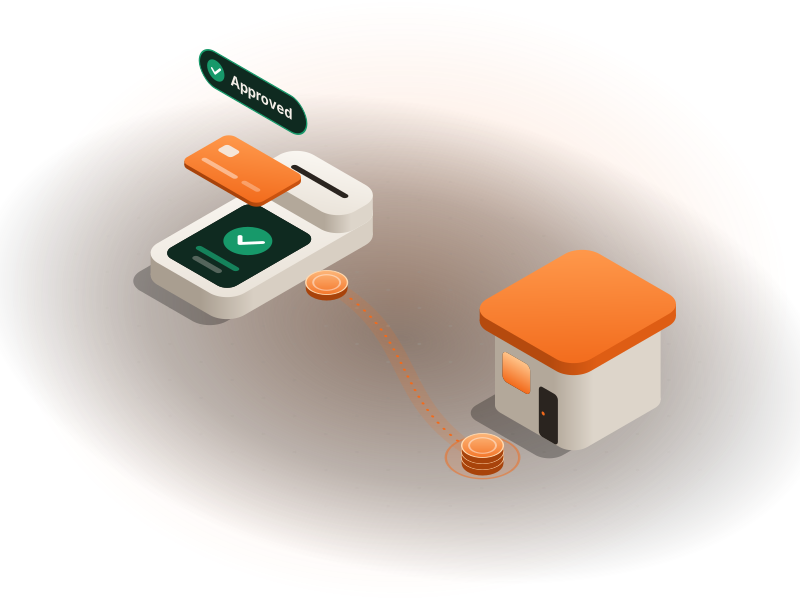
The diagram below provides a simplified overview of the credit card processing journey—from the moment a customer initiates a payment to the point where funds are deposited into the merchant’s account.
Insert infographic here
Step 1: The Customer Initiates the Payment
The process begins when a customer chooses to pay using a credit card, debit card, or digital wallet such as Apple Pay or Google Pay. Whether they tap a contactless card, insert an EMV chip card, swipe a magnetic stripe, or enter their payment details online, the payment information is securely captured by a payment terminal or online checkout.
Modern payment systems immediately encrypt this data to help protect sensitive cardholder information before it’s transmitted for authorization.
Step 2: The Payment Request Is Sent
Once the payment information is captured, it is securely transmitted to the payment processor. The processor acts as the communication hub, routing the transaction through the appropriate payment network based on the customer’s card.
This happens almost instantly and ensures the payment request reaches the correct financial institution while maintaining high security standards.
Step 3: The Issuing Bank Reviews the Transaction
The payment network forwards the authorization request to the bank that issued the customer’s card. At this stage, the issuing bank verifies several factors before approving or declining the transaction, including:
- Available credit or account balance
- Card status and expiration date
- Fraud detection and security checks
- Verification of the cardholder’s identity when required
If everything checks out, the bank returns an approval code. If not, the transaction is declined, and the customer is typically asked to use another payment method.
Step 4: The Transaction Is Authorized and Prepared for Settlement
Once approved, the merchant receives confirmation that the payment has been authorized, allowing the sale to be completed immediately. However, the money isn’t transferred to the business account just yet.
Throughout the business day, approved transactions are securely collected and prepared for settlement. This batching process helps financial institutions efficiently transfer funds between banks.
Step 5: Funds Are Deposited Into the Merchant Account
During settlement, the funds move from the customer’s issuing bank through the payment network to the acquiring bank and are then deposited into the merchant’s business account.
Most businesses receive their funds within one to three business days, although some payment processors offer next-day or even same-day funding depending on the account type and service agreement.
Why Understanding the Payment Process Matters
For most customers, paying by card feels almost instantaneous. For business owners, however, understanding what happens behind the scenes can make a significant difference when evaluating payment providers and choosing the right processing solution.
Knowing how transactions are authorized, routed, and settled can help you:
- Better understand credit card processing fees
- Compare payment processors more effectively
- Choose hardware and software that fits your business
- Improve transaction security and reduce fraud risks
- Make informed decisions as your business grows
While this overview explains the basic payment flow, there’s much more happening behind the scenes. If you’d like a deeper look at authorization, settlement, payment gateways, merchant accounts, and the complete transaction lifecycle, be sure to read our Credit Card Payment Processing for Small Business guide.
Key Components of a Credit Card Processing System
While a credit card transaction takes only a few seconds to complete, several organizations and technologies work together behind the scenes to make it happen securely. Each component plays a specific role in authorizing payments, protecting sensitive information, and ensuring funds reach your business account.
Understanding these key components can help you compare payment providers, better understand processing fees, and choose a solution that aligns with your business needs.
Merchant Account
A merchant account is a specialized account that temporarily holds funds from approved credit and debit card transactions before they are transferred to your business bank account. It acts as a bridge between your customer’s payment and your final deposit.
Some payment providers offer dedicated merchant accounts, while others bundle merchant account services into an all-in-one payment solution. Understanding how merchant accounts work can help you evaluate funding times, processing fees, and the overall flexibility of a payment provider.
Related Reading: Understanding Merchant Processing: A Guide for Small Businesses
Payment Processor
The payment processor is the technology provider responsible for moving transaction data between all parties involved in the payment process. When a customer makes a purchase, the processor securely routes the payment request to the appropriate card network and issuing bank for authorization.
In addition to facilitating transactions, payment processors often provide reporting tools, fraud prevention features, recurring billing capabilities, and integrations with point-of-sale (POS) systems, eCommerce platforms, and business software.
Payment Gateway
For online transactions, a payment gateway serves as the secure connection between your website or online checkout and the payment processor. It encrypts sensitive payment information and ensures it is transmitted safely during the authorization process.
Think of the payment gateway as the digital equivalent of a payment terminal in a physical store. While customers rarely notice it, the gateway plays a critical role in protecting payment data and delivering a smooth checkout experience.
Card Networks
Card networks connect the various financial institutions involved in every transaction. Major card networks include Visa, Mastercard, Discover, and American Express.
When a customer submits a payment, the card network identifies the issuing bank and securely routes the authorization request. Once the issuing bank responds, the card network sends that response back through the payment processor to the merchant.
Although consumers often associate these brands with issuing credit cards, card networks primarily provide the infrastructure that enables secure payment communication worldwide.
Issuing Bank
The issuing bank is the financial institution that provides the customer’s credit or debit card. It is responsible for determining whether a transaction should be approved or declined.
To make this decision, the issuing bank evaluates several factors, including available funds or credit, card status, expiration date, and potential fraud indicators. If the transaction meets its approval criteria, the bank authorizes the payment and returns an approval code within seconds.
Acquiring Bank
The acquiring bank—sometimes called the merchant bank—is the financial institution that works with your business to receive card payments. After transactions are approved and settled, the acquiring bank receives the funds and deposits them into your business bank account according to your provider’s funding schedule.
The acquiring bank also works with payment processors and card networks to facilitate settlements and manage merchant accounts.
Payment Hardware and POS Systems
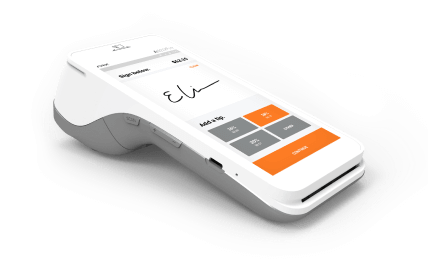
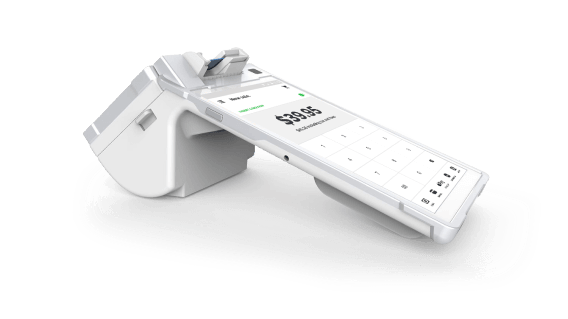
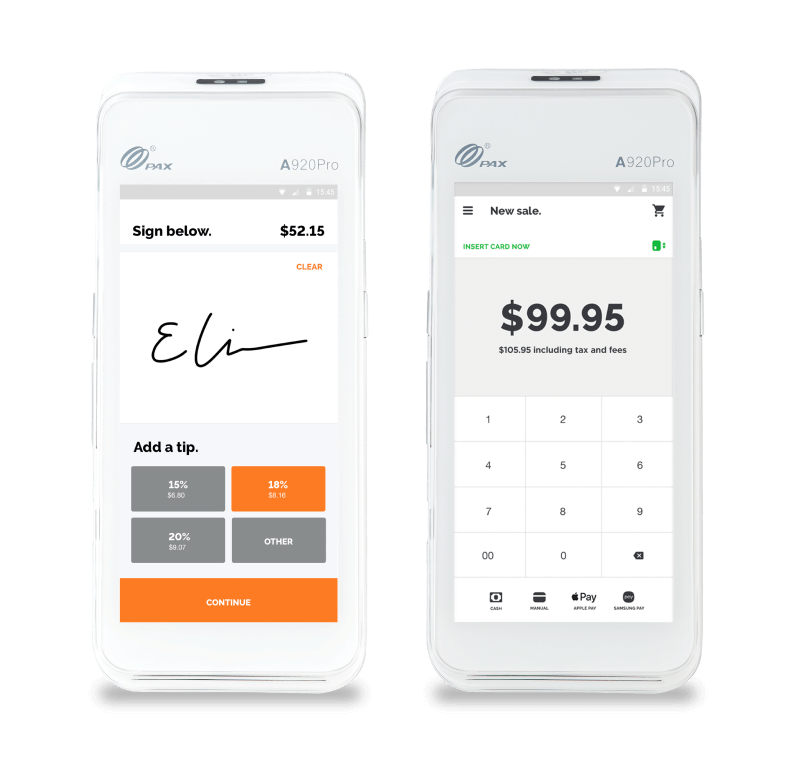
For businesses accepting in-person payments, hardware plays an important role in the customer experience. Depending on your business model, this may include countertop payment terminals, mobile card readers, smart POS systems, self-service kiosks, or wireless payment devices.
Modern hardware supports multiple payment methods, including EMV chip cards, contactless tap-to-pay, mobile wallets, and traditional magnetic stripe cards. Many systems also integrate with inventory management, customer loyalty programs, accounting software, and sales reporting tools, helping streamline daily operations.
Choosing the right hardware depends on how and where you do business, whether that’s in a retail store, restaurant, office, or on the go.
Key Components at a Glance
| Component | Primary Role |
|---|---|
| Merchant Account | Temporarily holds approved funds before they’re deposited into your business bank account. |
| Payment Processor | Securely routes payment information between merchants, card networks, and banks. |
| Payment Gateway | Encrypts and transmits payment data for online transactions. |
| Card Network | Connects issuing and acquiring banks while routing payment authorizations. |
| Issuing Bank | Verifies the customer’s account and approves or declines the transaction. |
| Acquiring Bank | Receives settled funds and deposits them into the merchant’s business account. |
| Payment Hardware | Captures customer payment information in-store or on the go. |
Although each component performs a different function, they work together seamlessly to process every transaction quickly and securely. Understanding how these pieces fit together can make it easier to evaluate payment providers, compare pricing models, and select the right solution for your business.
In the next section, we’ll take a closer look at one of the most important considerations for any business owner: the true cost of credit card processing, including the different types of fees you may encounter and how pricing models can affect your bottom line.
This is probably the most commercially valuable section in the entire pillar. My goal here is to educate readers first, not sell. By the end of this section, they should understand where processing fees come from, which fees are fixed, and which ones they can actually influence.
Understanding Credit Card Processing Costs
One of the most common questions small business owners ask is, “How much does credit card processing cost?” The answer depends on several factors, including your industry, transaction volume, payment methods, and pricing model.
Rather than charging a single fee for every transaction, payment processing costs are typically made up of multiple components. Some of these fees are established by the card networks, while others are determined by your payment processor. Understanding how these costs are structured can help you compare providers more effectively, identify unnecessary fees, and choose a pricing model that supports your business goals.
What Makes Up a Credit Card Processing Fee?
Every credit card transaction is generally composed of three primary cost components:
Total Processing Cost
┌────────────────────────────────────────────┐
│ │
│ Processor Markup │
│ (Provider's service fee) │
├────────────────────────────────────────────┤
│ │
│ Assessment Fees │
│ (Charged by the card networks) │
├────────────────────────────────────────────┤
│ │
│ Interchange Fees │
│ (Paid to the card-issuing bank) │
└────────────────────────────────────────────┘
Interchange fees typically represent the largest portion of every credit card transaction, while assessment fees and processor markups vary depending on your provider and pricing model.
Interchange Fees
Interchange fees are the largest component of most credit card processing costs. These fees are paid to the bank that issued the customer’s credit or debit card and compensate the issuing bank for assuming the risk associated with the transaction.
The amount charged varies based on several factors, including:
- Credit card versus debit card
- Card-present or card-not-present transactions
- Rewards and premium credit cards
- Business and corporate cards
- Industry and merchant category
- Transaction method (chip, tap, online, or manually entered)
Because interchange rates are established by the card networks, merchants generally cannot negotiate these fees. Every payment provider pays the same underlying interchange costs.
Assessment Fees
Assessment fees are small charges established by card networks such as Visa, Mastercard, Discover, and American Express. These fees help fund the payment network infrastructure that securely routes and processes transactions around the world.
Although assessment fees usually represent only a small percentage of the overall processing cost, they are included in every card transaction and are passed through by payment providers.
Payment Processor Markup
The processor markup is the portion of the processing fee that your payment provider adds for delivering its services. This is the area where providers differentiate themselves through pricing, features, customer support, reporting tools, integrations, and funding options.
Unlike interchange and assessment fees, processor markups vary from one provider to another. Depending on the pricing model, the markup may include:
- A percentage of each transaction
- A flat fee per transaction
- Monthly subscription fees
- Gateway or platform fees
- Equipment or software costs
Because this portion of the pricing is determined by the provider, it’s also the area businesses should compare most carefully when evaluating payment solutions.
Other Fees to Watch For
In addition to standard transaction costs, some payment providers charge additional service fees that may affect your overall processing expenses. Not every provider charges all of these fees, but it’s important to understand what may appear on your monthly statement.
Common additional fees include:
- PCI compliance fees
- Monthly account or service fees
- Payment gateway fees
- Chargeback fees
- Equipment rental or financing costs
- Virtual terminal fees
- Early termination fees
- Batch processing fees
Before selecting a provider, review the pricing structure carefully and ask for a complete explanation of any recurring or one-time charges.
Common Credit Card Processing Pricing Models
Not all payment providers calculate processing costs the same way. Understanding the most common pricing models can help you choose the solution that best fits your business.
Flat-Rate Pricing
Flat-rate pricing charges the same percentage and fixed transaction fee for every payment, regardless of the card type. This model is simple, predictable, and often popular with newer or lower-volume businesses because it makes monthly expenses easier to estimate.
Interchange-Plus Pricing
Interchange-plus pricing separates the actual interchange fees from the payment processor’s markup. Many larger or higher-volume businesses prefer this model because it offers greater pricing transparency and may result in lower overall processing costs as transaction volume increases.
Subscription Pricing
Some payment providers charge a fixed monthly subscription fee along with a reduced transaction markup. Businesses processing higher payment volumes may find this model more cost-effective than traditional percentage-based pricing.
Cash Discount and Dual Pricing Programs
Some businesses choose to offset processing expenses through cash discount or dual pricing programs. These pricing models encourage customers to pay with cash while displaying separate pricing for card payments in accordance with applicable laws and card network requirements.
When implemented correctly, these programs can significantly reduce or even eliminate processing costs for the business. However, compliance requirements vary by location, making it important to understand the applicable regulations before adopting this approach.
How to Reduce Credit Card Processing Costs
While some processing fees are unavoidable, there are several ways businesses can better manage their payment expenses.
Consider these best practices:
- Compare pricing models—not just headline rates.
- Understand which fees are negotiable.
- Review monthly processing statements regularly.
- Use EMV chip and contactless payments whenever possible.
- Choose hardware and software that match your business needs.
- Evaluate cash discount or dual pricing programs where appropriate.
- Work with a provider that offers transparent pricing and responsive customer support.
Even small improvements to your pricing structure can lead to meaningful savings over time, especially for businesses with consistent transaction volume.
The next step in choosing the right payment solution is understanding the different ways businesses can accept payments. Whether you operate a retail store, mobile business, eCommerce website, or service company, selecting the right payment processing setup depends on how and where your customers prefer to pay.

Types of Credit Card Processing Solutions
Every business accepts payments differently. A retail store has different needs than an online retailer, a restaurant, a contractor working in the field, or a professional service provider. Fortunately, modern payment processors offer a wide range of solutions designed to support virtually every business model.
Understanding the different types of credit card processing solutions can help you choose the right combination of hardware, software, and payment services for your operations today while ensuring your payment system can scale as your business grows.
In-Store Payment Processing
Traditional brick-and-mortar businesses typically rely on countertop payment terminals or integrated point-of-sale (POS) systems to accept customer payments. These systems are designed to process EMV chip cards, contactless payments, mobile wallets, and traditional debit and credit cards quickly and securely.
Modern smart terminals often provide much more than payment acceptance. Many include inventory management, employee tracking, sales reporting, customer loyalty programs, and business analytics, making them valuable tools for managing day-to-day operations.
Retail stores, restaurants, grocery stores, boutiques, and specialty shops often benefit most from integrated in-store payment solutions that streamline checkout while improving the customer experience.
Related Reading: Payment Terminal: A Small Business Essential and Choosing the Right Credit Card Reader for Your Business.
Mobile Payment Processing
For businesses that don’t operate from a fixed location, mobile payment processing provides the flexibility to accept payments wherever customers are.
Using a smartphone or tablet paired with a mobile card reader, businesses can securely process credit and debit card payments at job sites, events, farmers markets, trade shows, or customer locations.
Mobile payment processing is especially popular with:
- Contractors
- Electricians
- Plumbers
- HVAC companies
- Landscapers
- Food trucks
- Delivery services
- Event vendors
- Home service professionals
By accepting payments immediately, businesses can improve cash flow while offering customers greater convenience.
Online Payment Processing
As eCommerce continues to grow, online payment processing has become essential for businesses selling products or services through a website.
Online payments rely on secure payment gateways that encrypt customer information during checkout and communicate with payment processors to authorize transactions. Many modern platforms also support digital wallets, buy-now-pay-later options, recurring billing, and one-click checkout experiences.
Whether you operate a dedicated online store or simply accept payments for appointments and invoices, providing a secure online checkout experience helps build customer confidence and reduce cart abandonment.
Virtual Terminal Payments
Not every payment requires a physical card reader. A virtual terminal allows businesses to manually enter customer payment information through a secure web-based portal.
This solution is ideal for businesses that regularly accept payments over the phone, by email, or through mailed invoices.
Virtual terminals are commonly used by:
- Professional service firms
- Medical and dental practices
- Law offices
- Consultants
- Business-to-business (B2B) companies
- Property management firms
Because transactions are manually entered, businesses should also implement appropriate security measures and fraud prevention practices.
Recurring Billing Solutions
Businesses that charge customers on a regular schedule often benefit from recurring billing capabilities.
Rather than requesting payment each month, recurring billing securely stores customer payment information and automatically processes scheduled transactions according to predefined billing cycles.
This payment model works particularly well for:
- Membership organizations
- Subscription services
- Fitness centers
- Software providers
- Maintenance plans
- Professional service retainers
Automating recurring payments helps improve cash flow, reduce missed payments, and simplify billing administration.
Omnichannel Payment Solutions
Many businesses no longer operate through a single sales channel. Customers may browse online, purchase in-store, pay through an invoice, or complete transactions using a mobile device.
Omnichannel payment solutions unify these payment channels into a single platform, allowing businesses to manage sales, reporting, customer data, and payment activity from one centralized dashboard.
For growing businesses, an omnichannel approach provides greater operational efficiency while delivering a more consistent customer experience across every touchpoint.
Which Payment Solution Is Right for Your Business?
The best payment processing solution depends largely on how and where your customers prefer to pay.
| Business Type | Recommended Payment Solution |
|---|---|
| Retail Stores | Smart POS system with countertop payment terminal |
| Restaurants & Cafés | Restaurant POS with integrated payment terminal |
| Contractors & Field Services | Mobile card reader and smartphone app |
| Food Trucks & Market Vendors | Mobile POS and wireless payment terminal |
| eCommerce Businesses | Payment gateway with online checkout |
| Professional Services | Virtual terminal and invoicing solution |
| Subscription Businesses | Recurring billing platform |
| Multi-Location Businesses | Omnichannel payment solution |
Many businesses ultimately use a combination of these solutions. For example, a retailer may operate a physical storefront while also selling products online and accepting invoice payments from commercial customers. Choosing a payment provider that supports multiple payment channels can help simplify operations and create a seamless customer experience as your business evolves.
In the next section, we’ll explore one of the most important decisions a business owner can make: how to choose the right credit card processor. We’ll look beyond pricing to examine funding speed, customer support, security, integrations, reporting tools, scalability, and the key features that distinguish today’s leading payment solutions.
How to Choose the Right Credit Card Processor
Choosing a credit card processor is about much more than finding the lowest advertised transaction rate. The right provider should support the way your business operates today while giving you the flexibility to grow in the future.
Before making a decision, take the time to compare providers based on pricing, technology, customer support, security, and the overall value they deliver. A payment solution that saves a fraction of a percent on processing fees may end up costing more if it lacks reliable support, modern hardware, or the features your business needs.
Here are some of the most important factors to consider when evaluating a credit card processor.
Pricing Transparency
Pricing is often the first thing businesses compare, but it’s important to look beyond the advertised rate.
Ask potential providers questions such as:
- Are there monthly service fees?
- Are PCI compliance fees included?
- Is there a long-term contract?
- Are there equipment leasing costs?
- Are there early termination fees?
- How are chargebacks handled?
Look for providers that clearly explain their pricing structure and provide straightforward statements without unnecessary hidden fees.
Funding Speed
Cash flow is critical for every business.
While many processors deposit funds within one to three business days, others offer next-day or even same-day funding for qualified merchants.
If your business relies on consistent cash flow to manage payroll, inventory, or operating expenses, understanding your provider’s funding schedule can be just as important as comparing transaction rates.
Payment Methods and Flexibility
Customer expectations continue to evolve, making payment flexibility increasingly important.
Choose a provider that supports multiple payment methods, including:
- Credit cards
- Debit cards
- Contactless payments
- Apple Pay
- Google Pay
- Online payments
- Mobile payments
- Recurring billing
- Digital invoices
The more payment options you can offer, the easier it is for customers to complete purchases using their preferred method.
Hardware and Software Integration
Your payment system should work seamlessly with the tools you already use to run your business.
Depending on your needs, look for compatibility with:
- Point-of-sale (POS) systems
- Accounting software
- eCommerce platforms
- Inventory management
- Customer relationship management (CRM) software
- Business reporting tools
Integrated systems reduce manual work, improve reporting accuracy, and help streamline day-to-day operations.
Security and Compliance
Protecting customer payment information should be a top priority.
Look for processors that provide:
- PCI DSS compliance support
- End-to-end encryption
- Tokenization
- EMV chip support
- Contactless payment security
- Fraud detection tools
- Secure payment gateways
A provider with strong security features helps reduce risk while giving customers greater confidence when making purchases.
Customer Support
Even the best payment technology occasionally requires assistance.
Before choosing a provider, evaluate the quality of customer support by asking:
- Is support available 24/7?
- Can you speak with a real person?
- Is technical support handled in-house?
- Are onboarding and training included?
- What happens if a payment terminal stops working?
Responsive customer service can make a significant difference when payment issues affect your ability to serve customers.
Scalability
Your payment needs today may not be the same a year from now.
As your business grows, your payment processor should be able to support:
- Additional business locations
- Online sales
- Mobile payment acceptance
- Higher transaction volumes
- Additional employees
- New payment technologies
Choosing a scalable solution today can save significant time and expense in the future.
Reputation and Reliability
Experience and reliability matter when choosing a payment partner.
Take time to research each provider by reviewing:
- Customer testimonials
- Independent reviews
- Industry experience
- Years in business
- Hardware quality
- System uptime
- Security track record
A provider with a strong reputation and reliable payment infrastructure can help minimize downtime and ensure customers enjoy a smooth payment experience.
Questions to Ask Before Choosing a Payment Processor
Before signing an agreement, ask these important questions:
- What is the total cost of processing payments?
- Are there any hidden or recurring fees?
- How quickly will I receive my deposits?
- Is there a long-term contract?
- Which payment methods are supported?
- Does the system integrate with my existing software?
- What security measures are included?
- What type of customer support is available?
- Can the solution grow with my business?
Comparing providers using these criteria will help you look beyond headline rates and identify the payment solution that delivers the greatest long-term value.
Ultimately, the best credit card processor isn’t necessarily the cheapest—it’s the one that provides transparent pricing, reliable technology, strong security, responsive support, and the flexibility to meet your business’s unique needs both now and as your company grows.
Security, PCI Compliance & Fraud Prevention
Accepting credit card payments requires more than simply processing transactions—it also means protecting sensitive customer information. Fortunately, today’s payment technology includes multiple layers of security designed to safeguard payment data, reduce fraud, and help businesses comply with industry standards.
Whether you operate a retail store, an eCommerce website, or a mobile business, understanding the security features offered by your payment processor can help protect your customers, your reputation, and your bottom line.
PCI DSS Compliance
One of the most important security standards in the payments industry is the Payment Card Industry Data Security Standard (PCI DSS). Developed and maintained by the PCI Security Standards Council, PCI DSS establishes security requirements for businesses that accept, process, store, or transmit credit card information.
Businesses that want to better understand these requirements can review the official guidance provided by the PCI Security Standards Council, which offers educational resources, compliance documentation, and best practices for merchants of all sizes.
Following PCI DSS best practices helps businesses:
- Protect cardholder data
- Maintain secure payment systems
- Restrict access to sensitive information
- Regularly monitor and test networks
- Establish strong security policies
Many modern payment processors simplify PCI compliance by providing secure payment infrastructure, encrypted payment terminals, tokenization, and tools that reduce the amount of sensitive data businesses must handle directly.
Encryption and Tokenization
Modern payment systems protect sensitive payment information using advanced encryption and tokenization technologies.
Encryption converts payment information into unreadable code while it is transmitted between payment terminals, payment gateways, processors, and financial institutions. Even if intercepted, the encrypted data cannot be read without the appropriate security keys.
Tokenization replaces sensitive card information with a randomly generated token that has no value outside the payment ecosystem. Because the original card number is never stored by the merchant, tokenization significantly reduces the risks associated with storing payment information.
Together, these technologies provide multiple layers of protection throughout every transaction.
EMV Chip Technology
EMV chip cards have become the global standard for secure in-person payments because they offer significantly greater protection than traditional magnetic stripe cards.
Unlike magnetic stripe transactions, which transmit static card information, EMV chips generate a unique encrypted code for every purchase. This dynamic authentication makes counterfeit card fraud much more difficult while improving transaction security for both merchants and customers.
Most modern payment terminals also support contactless payments, allowing customers to securely pay by tapping their card, smartphone, or smartwatch.
Fraud Detection and Risk Monitoring
Today’s payment processors use sophisticated fraud detection systems that analyze transactions in real time to identify unusual activity before it becomes a costly problem.
These systems may evaluate:
- Purchasing behavior
- Geographic inconsistencies
- Device information
- Transaction velocity
- Address Verification Service (AVS) results
- Card Verification Value (CVV) checks
- Other fraud risk indicators
When suspicious activity is detected, additional verification may be required before a transaction is approved.
Business owners can also strengthen their fraud prevention efforts by reviewing the educational resources available through the Federal Trade Commission (FTC) Business Guidance Center, which provides practical recommendations for protecting small businesses from scams, cyber threats, and online fraud.
Chargebacks and Dispute Management
Occasionally, customers may dispute a transaction with their card issuer, resulting in what is known as a chargeback.
Chargebacks can occur for several reasons, including:
- Unauthorized transactions
- Duplicate charges
- Products or services not received
- Billing errors
- Customer disputes
Most payment processors provide tools that help businesses respond to chargebacks by submitting receipts, shipping confirmations, customer communications, and other supporting documentation.
Maintaining clear refund policies, accurate product descriptions, and detailed transaction records can significantly reduce chargeback risk.
Security Best Practices for Small Businesses
Technology provides a strong foundation for payment security, but businesses also play an important role in protecting customer information.
To strengthen your payment security:
- Keep payment terminals and POS software updated.
- Enable multi-factor authentication whenever available.
- Limit employee access to payment systems.
- Regularly review user permissions.
- Train employees to recognize phishing attempts and social engineering scams.
- Never store sensitive card information unless your systems are specifically designed and certified to do so.
- Work with payment providers that prioritize security, PCI compliance, and proactive fraud prevention.
Conclusion: Choosing the Right Credit Card Processing Solution for Your Business
Credit card processing is an essential part of running a modern business. Whether you operate a retail store, restaurant, eCommerce business, or service company, accepting secure and convenient electronic payments has become an expectation rather than a competitive advantage.
As you’ve learned throughout this guide, selecting the right payment solution involves much more than comparing transaction rates. Understanding how payment processing works, the role of merchant accounts and payment processors, the different pricing models available, and the importance of security can help you make a more informed decision for your business.
The best payment processing solution is one that aligns with the way you do business. For some companies, that means a simple countertop terminal. Others may need mobile payment capabilities, online checkout, recurring billing, or an omnichannel solution that connects multiple sales channels into a single platform. Taking the time to evaluate your business needs today can help you avoid unnecessary costs while giving your customers a smoother payment experience.
As your business grows, your payment processing solution should grow with you. Look for a provider that offers transparent pricing, reliable customer support, modern payment technology, strong security features, and the flexibility to adapt as your operations evolve.
Why Businesses Choose Tap Simple
At Tap Simple, we believe payment processing should be straightforward, transparent, and designed to help businesses grow. Our solutions are built to support businesses of every size with secure payment technology, modern hardware, flexible payment options, and responsive customer support.
Whether you’re opening your first storefront, expanding your online business, or looking to reduce payment processing costs, our team can help you find a solution that fits your unique business needs.
Ready to Simplify Your Payment Processing?
If you’re looking for a payment processing partner that combines competitive pricing, secure technology, and personalized support, Tap Simple is here to help.
Contact our team today to discuss your business goals, explore your payment processing options, and discover how the right payment solution can improve your operations while creating a better experience for your customers.
Explore our payment solutions or request a personalized consultation to get started.
Why Security Matters
Strong payment security does more than protect financial information—it builds customer confidence.
Consumers expect businesses to handle their payment information responsibly. Choosing a payment processor with modern security features, transparent compliance practices, and proactive fraud prevention measures helps protect your business while creating a safer, more trustworthy checkout experience.
As payment technology continues to evolve, security standards and fraud prevention tools will continue to improve, making it easier for businesses of every size to accept payments safely across in-store, online, and mobile channels.
Ready to simplify your payment processing? Get started with Tap Simple today and experience fee-free transactions that keep your business moving. Sign up now!