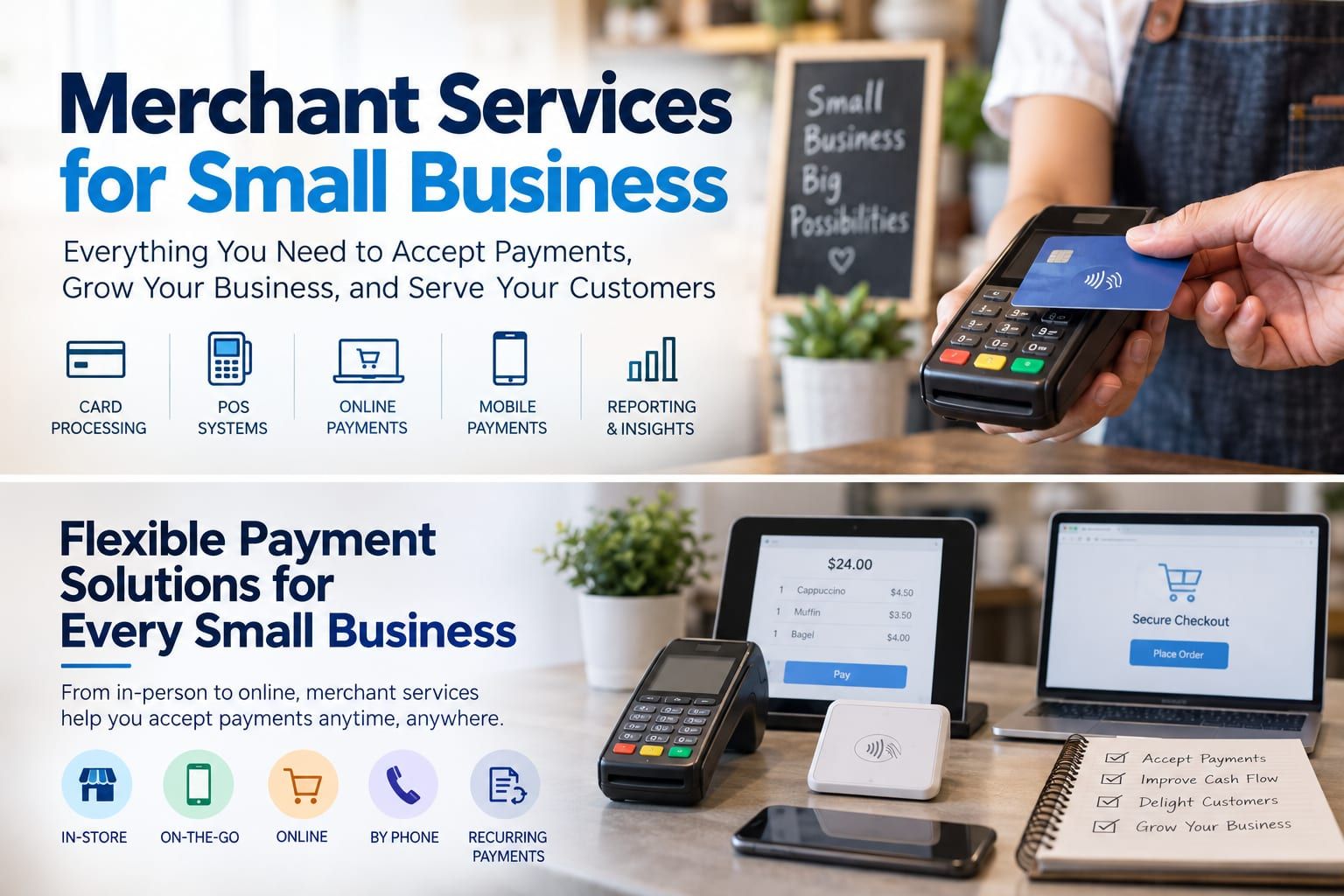
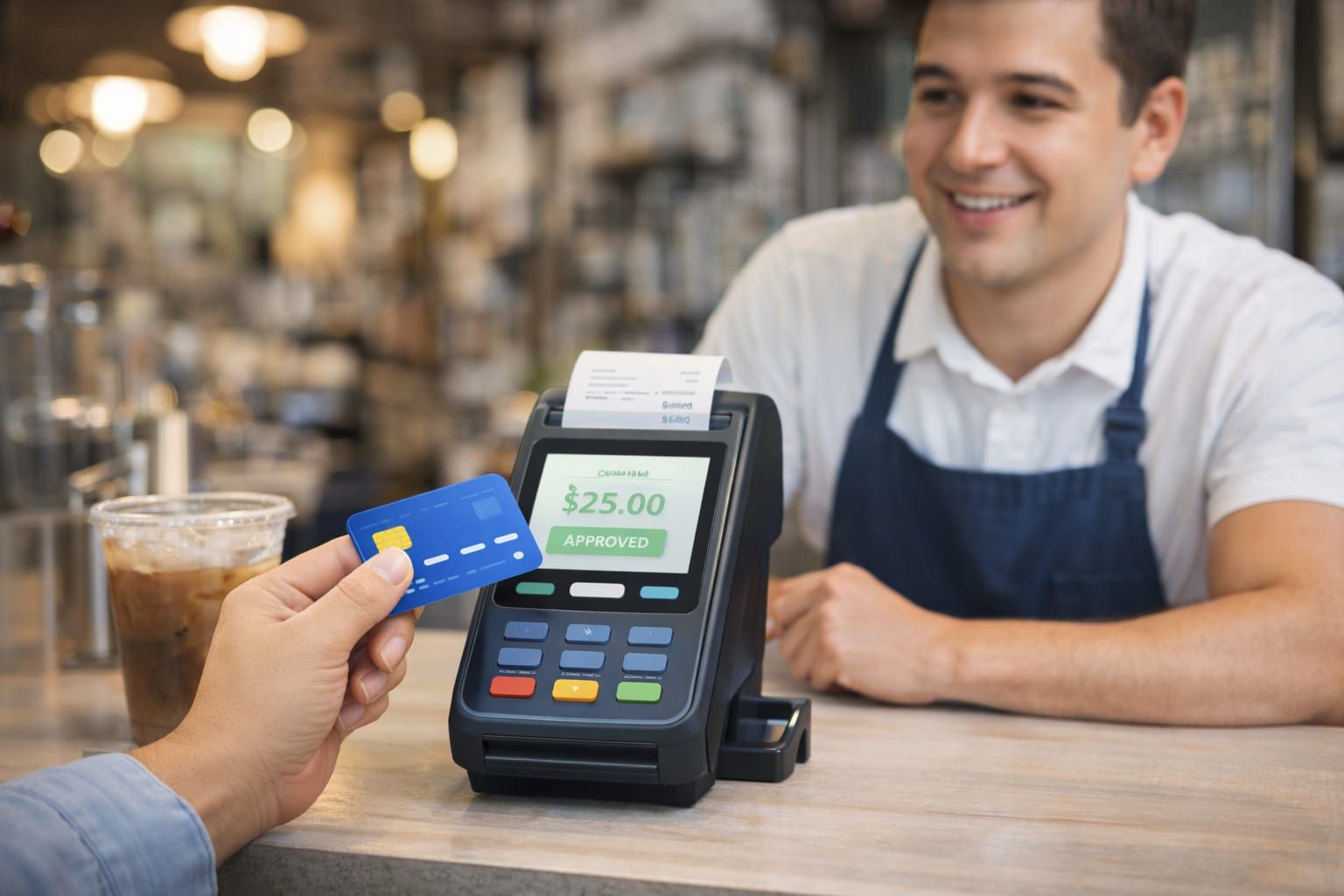
Today’s customers expect convenience when paying for products and services. Whether they are shopping in a store, ordering online, or paying a contractor on-site, the ability to accept credit card payments has become essential for nearly every type of business.
For entrepreneurs and local business owners, understanding credit card payments for small business is an important part of running efficient operations. Accepting cards can increase sales, improve customer satisfaction, and make transactions faster and more secure.
However, choosing the right payment system can be confusing. With many processors, payment devices, and pricing models available, business owners often struggle to determine which solution best fits their needs.
This guide explains how credit card payments for small business work, what tools are required, and how modern payment technology allows businesses to accept cards anywhere while reducing unnecessary processing costs.
Why Small Businesses Should Accept Credit Card Payments
Not long ago, many small businesses operated primarily with cash or checks. Today, that approach can limit growth and customer convenience.
Accepting credit card payments for small business offers several advantages.
Increased Sales
Customers often spend more when paying with cards compared to cash. This is especially true for restaurants, retail stores, and service businesses where convenience influences purchasing decisions.
If a customer wants to make a purchase but does not have enough cash, the ability to accept a card ensures the sale is not lost.
Faster Transactions
Card payments, especially contactless payments, are typically faster than counting cash or handling checks. Faster checkout improves customer experience and reduces wait times.
Improved Security
Handling large amounts of cash can increase the risk of theft or human error. Digital transactions create a record of every sale, making accounting and reporting more accurate.
Because of these benefits, most modern businesses rely on credit card payments for small business as a standard part of their daily operations.
How Credit Card Payments Work
Although card payments appear simple from the customer’s perspective, several systems work together behind the scenes.
The typical payment process involves the following steps:
- The customer taps, inserts, or swipes their card.
- The payment device sends the transaction to the processor.
- The processor communicates with the credit card network.
- The issuing bank approves or declines the transaction.
- Funds are deposited into the merchant’s account.
This process happens within seconds.
However, each participant in the transaction chain charges a fee, which is why businesses pay processing costs when accepting cards.
Understanding this process helps business owners evaluate the best solutions for credit card payments for small business and identify ways to reduce expenses.
Types of Credit Card Payment Systems
Businesses can accept card payments in several ways depending on their industry and sales environment.
Countertop POS Systems
A traditional POS (point-of-sale) system is common in retail stores and restaurants. These systems combine payment processing with other operational tools.
Typical POS features include:
• payment processing
• inventory tracking
• employee management
• sales reports
• receipt printing
Many providers offer integrated POS systems specifically designed for credit card payments for small business.
These solutions allow merchants to manage transactions and operations from a single platform.
Mobile Payment Readers
Mobile card readers connect to smartphones or tablets and allow businesses to process transactions anywhere.
They are commonly used by:
• contractors
• food trucks
• delivery services
• field technicians
• event vendors
Mobile technology has significantly expanded the flexibility of credit card payments for small business, allowing entrepreneurs to accept cards wherever they meet customers.
Smart Payment Terminals
Smart terminals are modern payment devices that combine multiple features into a single piece of hardware.
They often include:
• touchscreens
• wireless connectivity
• receipt printing
• sales reporting
• contactless payment support
These devices provide the speed and reliability businesses need while offering the convenience customers expect.
Smart terminals have become a popular choice for credit card payments for small business because they simplify both payment acceptance and daily operations.
Accepting Payments Online
Even businesses that primarily operate in physical locations often need to accept online payments.
Customers may want to:
• place orders online
• pay invoices
• schedule services
• purchase gift cards
Online payment systems allow businesses to accept card transactions through secure checkout pages or payment links.
Modern payment platforms allow companies to manage both in-person and online credit card payments for small business from one system.
This unified approach simplifies accounting and reporting.
Mobile Wallets and Contactless Payments
Consumer payment behavior continues to evolve. Many customers now prefer using mobile wallets such as Apple Pay, Google Pay, or other contactless payment options.
Contactless payments allow customers to simply tap their phone or card on a terminal.
Benefits include:
• faster checkout
• improved hygiene
• increased convenience
• reduced wait times
Businesses that support these payment methods provide a smoother experience for customers and remain competitive in modern markets.
For this reason, modern systems for credit card payments for small business typically include contactless payment capabilities.
Ready to take cards?
Understanding Credit Card Processing Fees
While accepting cards provides convenience, it also introduces processing fees.
These fees usually include:
• interchange fees
• processor markups
• monthly service charges
• hardware costs
Most businesses pay between 2% and 4% per transaction.
Over time, these expenses can significantly impact profits.
According to the National Retail Federation, U.S. merchants pay billions of dollars each year in credit card processing fees.
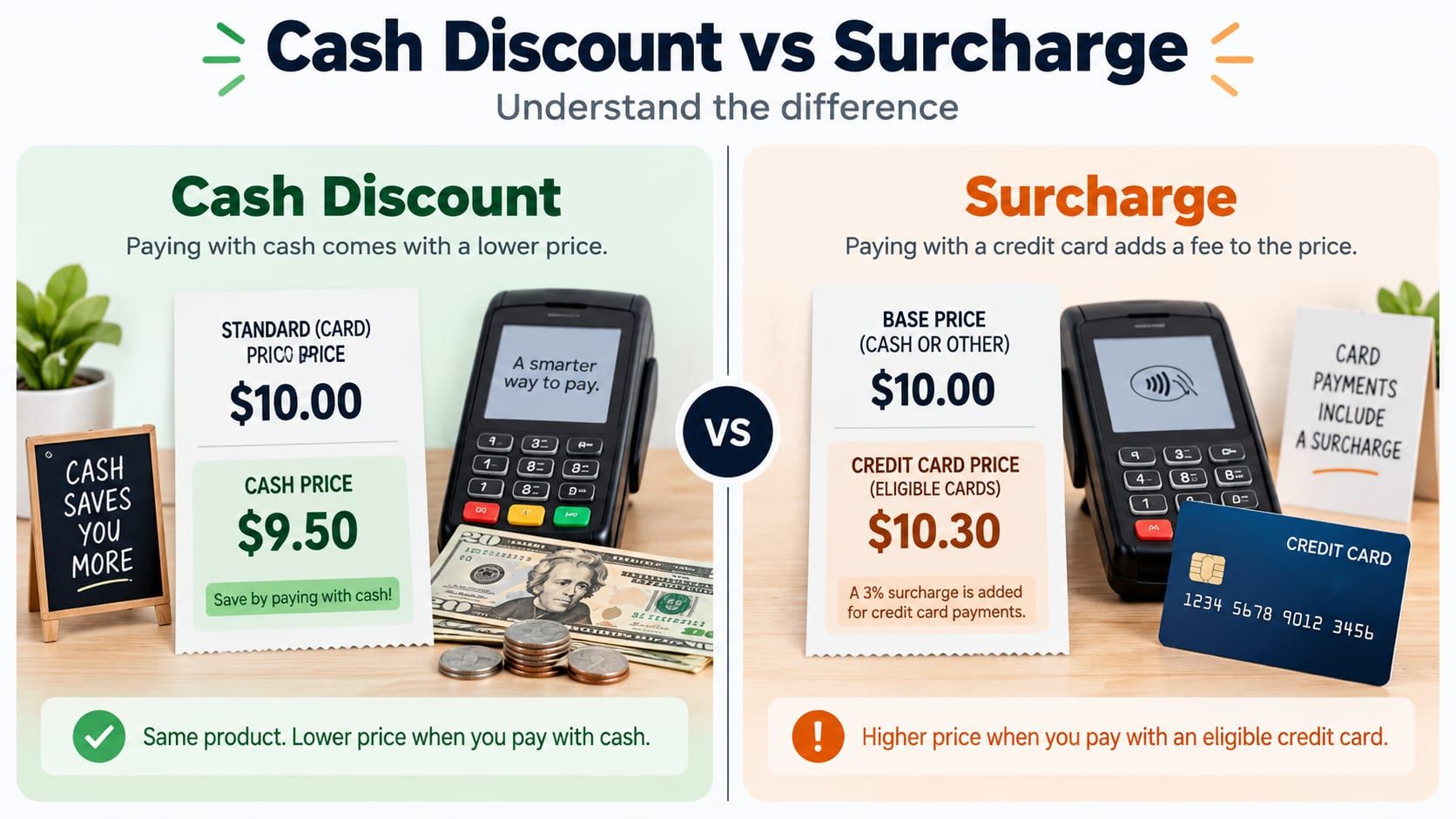
Because of these costs, many businesses explore alternative pricing models designed to reduce processing expenses.
If you want a deeper comparison of providers, our guide to the best credit card processing for small businesses explains how to choose the right payment partner.
How Businesses Reduce Credit Card Processing Costs
Reducing payment processing costs has become a major priority for many entrepreneurs.
Several strategies can help businesses manage these expenses.
Some providers also offer free credit card processing for small business, which can eliminate many traditional transaction fees.
Transparent Pricing
Choosing a provider that clearly explains all costs helps avoid hidden fees and unexpected charges.
Transparent pricing allows business owners to understand exactly what they are paying for each transaction.
Modern Payment Technology
New payment devices often include tools that improve efficiency and reduce operational costs.
These tools can include:
• digital receipts
• reporting dashboards
• inventory tracking
• automated accounting integration
These features help businesses streamline operations while managing credit card payments for small business more effectively.
Alternative Payment Pricing Models
In recent years, many companies have begun exploring payment models that allow businesses to reduce or eliminate traditional processing fees.
These systems adjust how transaction costs are handled so merchants can keep more of their revenue.
Because of the potential savings, many business owners researching credit card payments for small business are exploring modern payment platforms that support these models.
Businesses exploringfree payment processing models may also consider systems designed to reduce merchant processing expenses
How Tap Simple Helps Businesses Accept Card Payments
As payment technology evolves, business owners often look for solutions that combine simplicity, affordability, and modern hardware.
Tap Simple provides payment systems designed specifically for small businesses that want to accept cards easily while maintaining predictable costs.
With Tap Simple, merchants can accept:
• credit cards
• debit cards
• mobile wallet payments
• contactless transactions
These payments are processed through modern payment terminals designed for speed and reliability.
Businesses can use Tap Simple devices in stores, at events, or in mobile environments, allowing entrepreneurs to accept credit card payments for small business wherever customers are located.
In addition to payment acceptance, the platform offers tools that help merchants manage transactions efficiently and maintain visibility into their sales activity.
For many entrepreneurs, this combination of simplicity and modern payment technology makes Tap Simple a practical solution.
Choosing the Right Payment System
Selecting a payment provider requires evaluating several factors.
Business owners should consider:
• transaction fees
• payment device reliability
• mobile payment capability
• customer support
• reporting features
• integration with existing tools
The best solution for credit card payments for small business will depend on how and where the company interacts with customers.
Retail businesses may prioritize POS systems, while service businesses may benefit more from mobile payment terminals.
Understanding these needs helps ensure businesses select the right system for their operations.
Accepting card payments is no longer optional for most businesses. Customers expect the flexibility to pay using credit cards, mobile wallets, and contactless methods wherever they shop.
Understanding how credit card payments for small business work allows entrepreneurs to choose systems that improve customer experience while maintaining control over operational costs.
Modern payment technology has made it easier than ever to accept transactions in stores, online, and on the go. By selecting reliable payment devices, transparent pricing structures, and systems that support multiple payment channels, small businesses can operate more efficiently and serve customers more effectively.
For many business owners, choosing the right payment platform is not just about accepting cards — it is about building a payment experience that supports growth, efficiency, and long-term success.