Detailed Guide on how Launch Your Home Based Business
Starting a home based business is an exciting journey. It offers flexibility and the chance to be your own boss.
Many people dream of working from home. It allows for a better work-life balance and can be very rewarding.
But where do you begin? The process can seem overwhelming at first.
This guide will help you navigate the essential steps. From choosing the right idea to setting up your workspace, we cover it all.
You’ll learn how to conduct market research and create a solid business plan. These are crucial steps for success.
Legal requirements, like registration and permits, are also important. We’ll guide you through these processes.
Marketing and building an online presence are key. They help you reach your target audience effectively.
Finally, we’ll explore strategies for managing finances and scaling your business. Let’s get started on your entrepreneurial journey!
Why Start a Home Based Business?
Starting a home based business provides numerous benefits. One of the biggest perks is flexibility. You can set your own schedule and choose your work environment.
This type of business also reduces overhead costs. There’s no need for a separate office or costly daily commute. Enjoy substantial savings on rent and transportation.
A home based business can significantly improve work-life balance. Spend more time with family and find time for personal interests.
Many types of businesses can thrive from home. Opportunities are vast, from freelance writing to e-commerce. You have the freedom to pursue a passion or a hobby.
Benefits of Home Based Businesses
- Flexible work hours
- Reduced operational costs
- Improved work-life balance
- Variety of business options
These advantages make home based businesses a popular choice. More people are embracing this model than ever before. Start your journey today and enjoy the flexibility and independence.
Choosing the Right Home Business Idea
Finding the right business idea is crucial for success. Start by considering your skills and interests. Aligning your strengths with your business can enhance passion and persistence.
Evaluate your potential market. Research competitors and identify a niche where you can offer something unique. This can give you a competitive edge.
Consider the practicality of your ideas. Assess startup costs and the space required. Ensure your home can accommodate your business needs without compromising personal space.
List out possible business ideas. Here’s a quick list to inspire you:
- Freelance writing or graphic design
- Online tutoring or consulting
- E-commerce store or dropshipping
- Virtual assistant services
Narrow down your options by weighing pros and cons. Think about long-term viability and growth potential. This will help filter out unsustainable ventures.
Also, consider your target audience. Understanding their needs can shape your product or service. Provide solutions that genuinely address your market’s problems.
Key Questions to Ask
- Are there competitors in this niche?
- Do I have the skills to succeed?
- What resources do I need to start?
Choosing the right idea is a blend of passion, skill, and opportunity. Take your time to explore and assess each possibility.
Thorough evaluation at this stage paves the way for future success. Embark on this journey with confidence and well-grounded preparations.
Validating Your Business Idea: Market Research Essentials
Once you have a business idea, validate its potential. Conducting market research is essential to understand demand and competition. This step prevents costly mistakes later on.
Start by identifying your target audience. Understand their needs and preferences. Use surveys or online forums to gather valuable insights. Knowing your audience shapes your offerings and marketing strategies.
Analyze your competitors. Discover their strengths and weaknesses. This can help you differentiate your product or service. Look at their pricing, customer reviews, and market positioning.
Here are critical aspects to assess during your market research:
- Target audience demographics and preferences
- Competitor analysis and industry trends
- Demand and potential market size
- Pricing strategies and customer feedback
Evaluate industry trends to ensure your business idea stays relevant. Trends can impact customer behavior and expectations. Adaptability is key in seizing future opportunities.
by lonely blue (https://unsplash.com/@lonelyblue)
Lastly, validate your idea through a test launch or pilot. Gather feedback from early users. Refine your product or service based on their input. This iterative process leads to a more robust offering, ensuring a better market fit.
Creating a Solid Business Plan
A strong business plan is a small business essential. It provides a blueprint for your home based bussines. Without it, navigating through challenges becomes harder.
Start with an executive summary. This brief overview highlights your business objectives and strategy. Make it compelling to capture attention immediately.
Next, describe your home based business in detail. Explain what you offer and how it stands out. Highlight your unique value proposition. This sets the foundation for understanding your market position.
The market analysis section should summarize your research findings. Discuss trends, target markets, and competitors. This demonstrates your understanding of the industry landscape.
Financial projections are vital to your plan. They include your revenue model, projected profits, and expenses. Show how you plan to achieve financial success.
Here are key components to include in your business plan:
- Executive summary
- Business description
- Market analysis
- Financial projections
- Marketing strategy
Your marketing strategy outlines how you will reach your audience. Detail your marketing activities and sales approach. This ensures a systematic approach to growth.
by Felipe Furtado (https://unsplash.com/@furtado)
In conclusion, review and refine your plan regularly. As your home based business evolves, your plan should too. This dynamic document is a living guide for achieving your goals.
Legal Steps: Registration, Licenses, and Permits
Legal formalities are vital for any home based business. Ensuring compliance protects you from unforeseen issues later.
Start by selecting a suitable business structure. Common types include sole proprietorship, partnership, and LLC. Each structure has its pros and cons.
Once decided, proceed to register your business name. This gives your business a legal identity. It also prevents others from using the same name.
Next, determine the licenses and permits you need. This varies based on your industry and location. Research local regulations thoroughly to ensure full compliance.
Organize these legal essentials into a checklist:
- Choose your business structure
- Register your business name
- Obtain necessary licenses and permits
- Stay updated on compliance regulations
Be mindful of deadlines and renewal requirements. Set reminders to stay ahead of renewals. This ensures continual compliance with legal obligations.
by Roger Starnes Sr (https://unsplash.com/@rstar50)
Seek professional help if needed. Legal advisors can guide you through complex requirements. They can also offer peace of mind by ensuring everything is in order. This allows you to focus on growing your business confidently.
Setting Up Your Home Workspace for Success
Creating an effective workspace at home is crucial for productivity. It provides a dedicated area for professional activities.
Begin by finding a quiet spot in your home. Ideally, it should be away from distractions like TV and household noise. This helps maintain focus during work hours.
Ensure your workspace has good lighting. Natural light is best. If that’s not possible, use bright lamps to avoid straining your eyes. Good lighting boosts energy and reduces fatigue.
Invest in ergonomic furniture. A comfortable chair and a spacious desk can significantly impact your efficiency and health. Ergonomic setups reduce the risk of physical discomfort.
Create a checklist to enhance your home workspace:
- Choose a distraction-free area
- Ensure adequate lighting
- Use ergonomic furniture
- Keep the space organized and tidy
Personalize your workspace with items that inspire you. This can be artwork, plants, or motivational quotes. Personal touches make the space inviting and motivating.
by Matúš Gocman (https://unsplash.com/@matgocman)
Remember, a well-organized and comfortable workspace enhances both productivity and creativity. It makes working from home a more pleasant and successful experience.
Essential Tools and Technology for Home Businesses
To thrive in a home based business, leveraging the right tools is essential. These resources simplify tasks and enhance productivity.
Start with a reliable computer. Whether desktop or laptop, ensure it meets your business needs. High-speed internet is non-negotiable for seamless communication and quick research.
Communication tools are indispensable. Use platforms like Zoom or Skype for virtual meetings. These tools keep you connected with clients and partners worldwide.
Accounting software can streamline financial management. Programs like QuickBooks or FreshBooks help track expenses and invoice clients efficiently.
Here’s a checklist of essential tools and technology:
- Reliable computer and high-speed internet
- Communication platforms (e.g., Zoom, Skype)
- Accounting software (e.g., QuickBooks, FreshBooks)
- Project management tools (e.g., Trello, Asana)
by Haupes (https://unsplash.com/@haupes)
Finally, consider project management tools like Trello or Asana. These help organize tasks and improve workflow. The right technology setup can empower your business for growth and success.
Managing Finances: Budgeting, Accounting, and Taxes
Handling finances is crucial for any home based business. A solid financial plan ensures sustainability and growth. Begin by drafting a comprehensive budget. Allocate funds for essential expenses like supplies, marketing, and technology.
Organize your accounting practices. Use digital tools to track income and expenditures efficiently. Accurate records streamline financial reviews and help meet tax obligations. Choose accounting software that suits your business needs and size.
Understanding taxes is equally important. Differentiate between business and personal expenses. Keep receipts and invoices organized for tax season. Be aware of deductions you may qualify for as a home-based business owner.
Consider consulting a financial advisor for expert guidance. They can offer personalized insights into budgeting and accounting. This could lead to more strategic financial decisions.
Here are some steps for effective financial management:
- Draft and maintain a comprehensive budget
- Use accounting software for record keeping
- Differentiate business and personal expenses
- Stay informed about tax deductions
by Jakub Żerdzicki (https://unsplash.com/@jakubzerdzicki)
Managing finances might seem daunting, but consistency and organization simplify the process. With the right approach, financial management becomes a cornerstone of your business success.
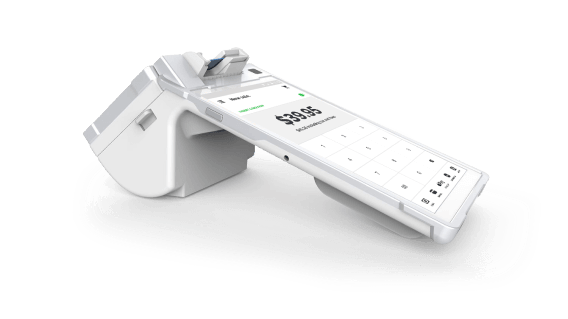
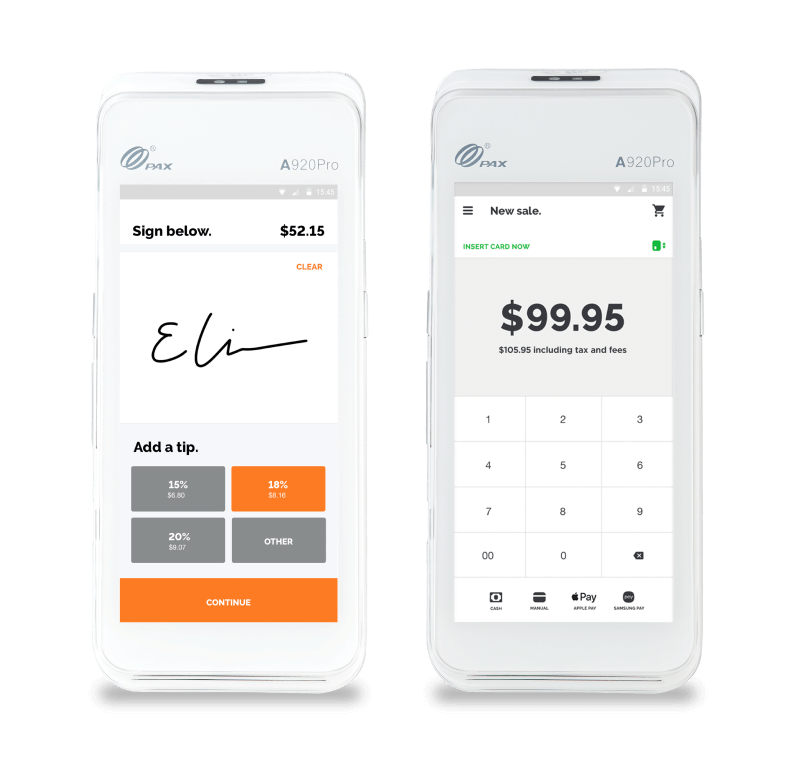
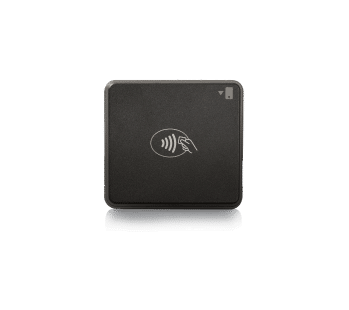
Efficient payment processing is vital for the success and growth of any home based business.
Choosing the right solution can save time, reduce stress, and improve cash flow. That’s why it’s important to go with a provider that’s simple, secure, and tailored to your needs like TapSimple. TapSimple helps small and home based businesses accept payments quickly and easily, whether online or in person. With user-friendly tools, transparent fees, and reliable support, it empowers entrepreneurs to focus on what matters most: growing their business. By using a platform designed with flexibility and convenience in mind, like TapSimple, you ensure your payment system works for you, not the other way around.
Building Your Online Presence
Creating a strong online presence is essential for your home based business. It helps you reach a wider audience and boost credibility. Begin by developing a professional website. Ensure it’s user-friendly and mobile-compatible.
Optimize your website for search engines. Use relevant keywords to increase visibility. This helps potential customers find you easily. Regularly update your content to keep it fresh and engaging.
Social media platforms are powerful tools for engagement. Choose platforms where your target audience is active. Share updates, interact with followers, and respond promptly to inquiries.
Consider starting a blog. It positions you as an industry expert. Provide valuable insights related to your niche. Encourage interactions through comments and social shares.
Here are some strategies to bolster your online presence:
- Develop a professional, user-friendly website
- Optimize for search engines with relevant keywords
- Engage with your audience on social media
- Start a blog to showcase expertise
by Aleksei Zhivilov (https://unsplash.com/@bb009x)
Building your online presence takes time but pays off. Consistent effort leads to growth and brand loyalty. Stay engaged and adapt to digital trends to maintain relevance.
Marketing Strategies for Home Based Businesses
Marketing is vital for your home based business success. It attracts potential customers and builds brand awareness. First, identify your target audience. Understand their needs and preferences to tailor your marketing strategies.
Leverage the power of content marketing. Create valuable, informative content that resonates with your audience. This could be blogs, videos, or infographics. Consistency is key in content creation.
Email marketing is another effective tool. Build an email list and send regular updates. Include offers and news that interest your subscribers. Email campaigns can nurture and convert leads into customers.
Collaborate with influencers in your niche. They can help promote your home based business to a broader audience. Choose influencers whose followers match your target demographic for better results.
Utilize these marketing strategies for success:
- Identify and understand your target audience
- Create engaging and valuable content
- Implement email marketing campaigns
- Collaborate with relevant influencers
by Jana Heinemann (https://unsplash.com/@heinemann_homestaging)
Continuously analyze your marketing efforts. Use analytics to measure success and adjust strategies as needed. Staying flexible ensures your marketing remains effective and relevant.
Funding Your Home Based Business: Options and Tips
Securing funds is crucial for your home based business. Initial capital can kickstart operations smoothly. There are various avenues to explore for funding.
Personal savings is a common choice for many entrepreneurs. It reduces reliance on external sources. However, it’s important to manage this carefully.
Consider small business loans, which banks and financial institutions offer. They provide substantial funding but require a solid credit history.
Other funding options include:
- Crowdfunding platforms for community support
- Angel investors looking for innovative ideas
- Government grants for small businesses
by Artful Homes (https://unsplash.com/@artfulhomes)
Explore which option aligns with your needs and goals. Each comes with pros and cons, so consider carefully. A well-funded business opens up more opportunities for growth.
Scaling and Growing Your Home Based Business
Scaling your home based business requires strategic planning. As demand increases, ensure your operations can handle the growth. Focus on improving efficiency and productivity. This can involve automating repetitive tasks with technology.
Think about expanding your product or service line. Diversification can appeal to a broader audience. However, stick to what complements your core business.
Consider these strategies for growth:
- Expand your online presence for greater reach
- Collaborate with other businesses for mutual benefits
- Invest in customer relationship management to enhance loyalty
by Imagine Buddy (https://unsplash.com/@imaginebuddy)
Stay adaptable and open to new opportunities. Growth is a continuous process that involves refining strategies. Regularly evaluate progress and adjust plans as needed. A thoughtful approach ensures sustainable business growth.
Common Challenges and How to Overcome Them
Starting a home based business comes with challenges. Isolation is a major concern for many entrepreneurs. Working alone can be lonely and demotivating. To combat this, schedule regular interactions with peers or join online communities for support.
Time management is another hurdle. Balancing work and home life requires discipline. Set clear boundaries and maintain a consistent schedule to keep things on track.
Here are some tips to tackle common challenges:
- Establish regular working hours to separate business from leisure
- Use productivity tools to manage tasks efficiently
- Join networking groups to expand your support system
by Surface (https://unsplash.com/@surface)
Financial instability can also be daunting. Create a comprehensive budget and build an emergency fund. By addressing these challenges, you’ll be better equipped to achieve business success.
Top Home Business Tips for Long-Term Success
Achieving long-term success in your home based business is possible with the right approach. Prioritize customer satisfaction as a key strategy. Happy clients will return and refer others.
Stay adaptable in the ever-changing business environment. Trends and technologies evolve, and so should your business practices. This flexibility keeps you competitive.
Build strong relationships with other home based business owners. They provide valuable insights and growth opportunities. Collaboration can lead to unique solutions and innovations.
Consider these tips for sustained success:
- Focus on constant learning and skill development
- Invest in reliable technology and resources
- Embrace feedback from customers and peers
by Vitaly Gariev (https://unsplash.com/@silverkblack)
Celebrate your milestones. Acknowledge achievements to maintain motivation and enthusiasm. They remind you of progress and fuel ongoing success.
Frequently Asked Questions About Home Based Businesses
Embarking on a home-based business journey often raises several common questions. Clarity on these points can ease decision-making.
Do I need a business license to operate from home? It depends on your location and business type.
What are the tax implications of running a home based business? You may qualify for home office deductions. Consult a tax professional to ensure compliance.
How do I separate business finances from personal ones? It’s important to open a separate business bank account for clarity and legal purposes.
What are the main challenges of home based businesses? Balancing work and personal life can be tricky. Also, maintaining discipline is crucial.
Here are other questions often asked:
- Is insurance needed?
- How do I market my business effectively?
Understanding these common queries can help you start your home-based business with confidence.
Conclusion: Take the First Step to Start Your Home Based Business
Starting a home based business is a rewarding journey filled with opportunities. You have all the steps and tips to begin.
Implement the knowledge gained and embark on your entrepreneurial path. The possibilities are vast; your effort will determine success.
Every milestone you reach is a testament to your dedication. Take that first decisive step now, and create a fulfilling business right from your home.
GoodLuck!