Choosing how you pay for card processing matters as much as choosing a device. Many payment apps charge a flat rate: a percentage plus a fixed fee taken out of each card payment. Tap Simple offers a cash discount program instead, where the card price covers the cost of processing and cash customers pay the lower cash price. This guide compares cash discount vs flat rate processing so you can pick the model that fits how your small business sells.
How flat rate processing works
With flat rate processing, the provider takes a set percentage and often a fixed amount from every card payment. The rate is easy to understand, and many providers publish it on their pricing pages. The cost comes out of your sale, so it grows as your card sales grow. Some providers also charge separately for software plans, advanced features or hardware.
How a cash discount program works
With the Tap Simple cash discount program, you set a cash price. The card price, shown next to it, covers the cost of processing. Customers choose how to pay, and cash customers get the cash discount. Our guide to cash discount payment processing walks through it step by step.
A cash discount is not a surcharge. Card network rules, disclosures and state rules differ between the two, and they can change, so confirm the current rules for your state. Our guide to cash discount vs surcharge explains the difference.
Want to see what a cash discount program looks like for your business? Start your application or see pricing.
Cash discount vs flat rate processing at a glance
| Tap Simple cash discount program | Flat rate processing | |
|---|---|---|
| Who covers the cost of each card payment | The card price covers it | It comes out of your sale |
| What the customer sees | A cash price and a card price | One price |
| How cost changes as sales grow | The card price covers processing on each sale | The amount you pay grows with your card sales |
| Where to check costs | The Tap Simple pricing page | Each provider’s own pricing page |
When flat rate processing can make sense
Flat rate processing can suit a business that sells mostly online and wants a developer platform to build a custom checkout, or a business with very few card payments that wants one simple rate. To weigh flat rate providers against other options, our guide on how to choose a payment processor explains what to check.
Ready to take cards?
When a cash discount program fits
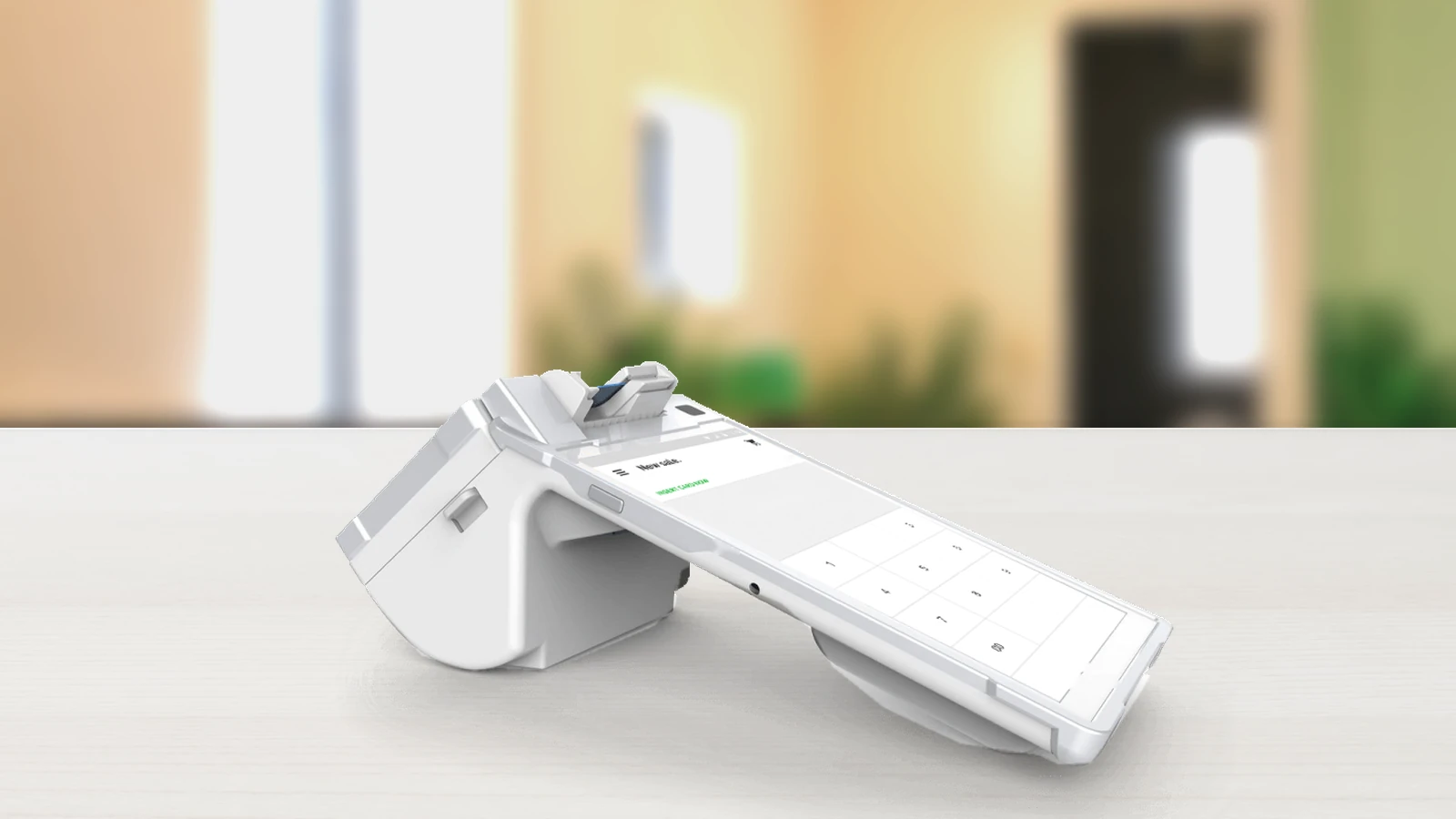
A cash discount program suits small businesses that take most payments in person and want the cash price they set to stay intact. Electricians, plumbers and other tradespeople, mobile professionals, cafés, bars and shops are good examples. Tap Simple pairs the program with devices for each way of selling: the 3-in-1 Reader for your phone or tablet, the Smart Terminal handheld and the Smart Flex for the counter, all reporting to one Payments Hub.
What a cash discount program does not change
A cash discount program changes who covers the cost of each card payment. It does not remove every cost. Devices, software and account fees still apply, and they are listed on the Tap Simple pricing page.
Tap Simple offers a cash discount program with devices for every way you sell and support you can reach directly. Start your application or see pricing.
Cash discount vs flat rate processing FAQs
Frequently asked questions
What is the difference between a cash discount and a flat rate?
With a flat rate, the provider takes a percentage and often a fixed amount out of each card payment. With a cash discount program, the card price covers the cost of processing, and cash customers pay the lower cash price.
Does a cash discount program mean processing costs nothing?
No. The card price covers the cost of processing each card payment. Devices, software and account fees still apply, and Tap Simple lists them on its pricing page.
Which businesses fit a cash discount program?
Small businesses that take most payments in person, such as tradespeople, cafés, bars and shops, are a good fit. Businesses building a custom online checkout may prefer a developer platform.
Can I use a cash discount program with a mobile reader?
Yes. The Tap Simple 3-in-1 Reader works with your phone or tablet, and the Smart Terminal is a handheld with a built-in printer, so you can take payments on the go.