Restaurant payment processing is at the core of every successful food business.
Whether you run a small café, a food truck, or a full-service restaurant, the way you accept payments directly impacts your revenue, efficiency, and customer experience.
In this complete guide, you’ll learn how restaurant payment processing works, what it costs, and how to choose the best solution for your business.
Beyond just accepting payments, your system plays a key role in how smoothly your daily operations run. A slow or unreliable setup can create long lines, frustrated customers, and lost sales—especially during peak hours. On the other hand, a fast and well-integrated payment system helps your staff move efficiently, improves table turnover, and creates a seamless checkout experience.
Today’s customers also expect flexibility. Some prefer to tap their phone, others want to split bills across multiple cards, and many expect online ordering and contactless options. Having a modern payment system ensures you can meet these expectations without friction. This is why investing in the right setup is not just a technical decision—it’s a strategic one that directly affects your bottom line.
What Is Restaurant Payment Processing?
Restaurant payment processing is the system that allows your business to accept and complete transactions using:
- Credit cards
- Debit cards
- Mobile wallets (Apple Pay, Google Pay)
- Contactless payments
- Online payments
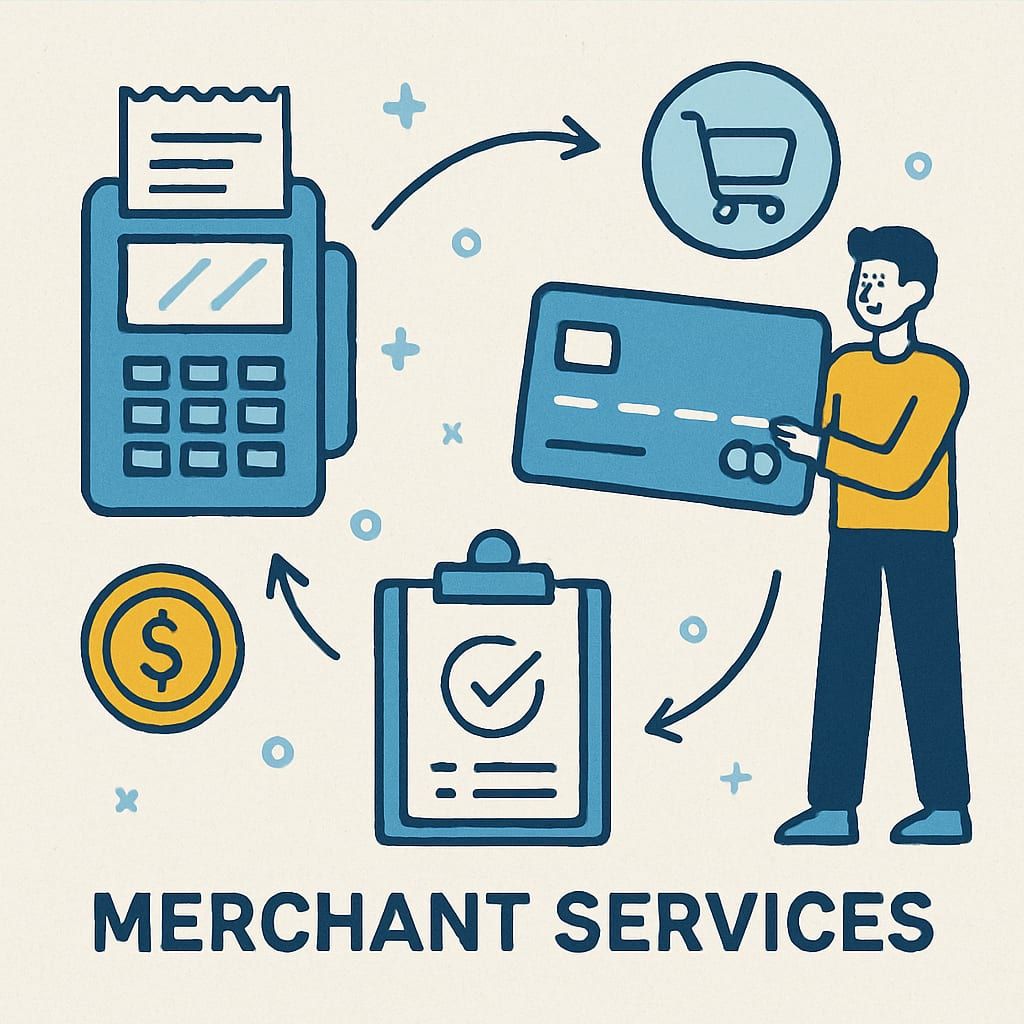
Behind every transaction, multiple systems work together:
- Your POS system
- Payment processor
- Payment gateway
- Customer’s bank
- Your merchant account
All of these communicate in seconds to approve or decline a transaction.
While this may sound complex, the goal is simple: ensure that every payment is processed quickly, securely, and accurately. When everything is working properly, the process feels instant to both you and your customers.
It’s also important to understand that your payment processor is not just a tool—it’s a partner in your business. The right provider can help you reduce costs, improve reporting, and even support growth through better technology and integrations.
How Restaurant Payment Processing Works
Here’s a simple breakdown:
- Customer pays (card, tap, or mobile)
- Payment is sent to the processor
- Processor communicates with the bank
- Transaction is approved or declined
- Funds are transferred to your account
This entire process usually takes just a few seconds.
Although it happens almost instantly, several security checks are performed in the background. These include fraud detection, encryption, and verification protocols designed to protect both your business and your customers. This is especially important as digital and contactless payments continue to grow.
Another key factor to consider is settlement time—how long it takes for funds to reach your bank account. Depending on your provider, this can range from same-day deposits to a few business days. Faster access to funds can improve cash flow, which is critical for managing expenses like inventory, payroll, and daily operations.
As your restaurant grows, your payment processing needs may evolve as well. What works for a small café might not be ideal for a high-volume restaurant or multi-location business. That’s why understanding how restaurant payment processing works from the ground up gives you the flexibility to scale and adapt over time.
Ultimately, a reliable payment system should feel invisible—it simply works, every time, without slowing you down or creating extra work for your team.
Restaurant Payment Processing Fees Explained
One of the biggest concerns for restaurant owners is cost.
Most payment processors charge:
- Transaction fees (percentage per sale)
- Flat fees (per transaction)
- Monthly fees (sometimes)
- Hidden fees (in some cases)
According to industry data, most restaurants pay between 1.5% and 3.5% per transaction, depending on their provider and pricing model.
Typical restaurant payment processing fees range from:
1.5% to 3.5% per transaction
Over time, this can represent thousands of dollars per year.
Learn more in our full guide on restaurant payment processing fees explained.
Can Restaurants Get Free Payment Processing?
Yes — and this is becoming increasingly popular.
For many restaurant owners, payment processing fees are one of the most frustrating ongoing expenses. Even a small percentage on every transaction can add up to thousands of dollars over the course of a year. Because of this, more businesses are actively looking for ways to reduce or eliminate these costs without negatively affecting the customer experience.
Some systems offer free or zero fee payment processing using models like:
- Cash discount programs
- Dual pricing
Instead of the business absorbing the cost, it is adjusted at checkout depending on the payment method.
With these models, customers are given a clear choice. They can pay a standard price using cash or accept a slightly higher total when paying with a card. When implemented correctly, this approach is transparent, compliant, and widely accepted by customers—especially when it’s communicated clearly at the point of sale.
This shift represents a major change in how restaurant payment processing is structured. Instead of treating processing fees as a fixed expense, restaurants can take a more strategic approach and regain control over their margins. For high-volume businesses, the savings can be significant over time.
That said, it’s important to implement these systems carefully. Proper signage, clear pricing, and staff training all play a role in ensuring customers understand the pricing structure. When done right, most customers adapt quickly, and the impact on sales is minimal while the financial benefit for the business is substantial.
Pricing Models: Flat Rate vs Interchange
Understanding pricing models is key to choosing the right provider.
Flat rate pricing is simple and predictable. With this model, you pay the same rate on every transaction, regardless of card type or issuing bank. This makes it easy to understand your costs and simplifies accounting, which is why it’s often preferred by smaller restaurants or those just getting started.
Interchange pricing is more complex but can offer lower overall costs, especially for higher-volume businesses. This model separates the base cost of the transaction from the processor’s markup, giving you more visibility into what you’re actually paying. While it requires a bit more analysis, it can lead to better margins over time.
Choosing between these two models depends on your business size, transaction volume, and how much control you want over your pricing structure. Taking the time to understand the differences can help you avoid overpaying and choose a system that aligns with your long-term goals.
Key Features Restaurants Should Look For
When choosing a payment processing system, focus on how it supports both your operations and your customers.
If you’re comparing options, check our full guide on the best payment processor for restaurants to see how top providers stack up.
Speed and reliability are essential. Fast transactions help keep lines moving, especially during peak hours, and reduce friction at checkout. Even a few extra seconds per transaction can add up quickly in a busy environment.
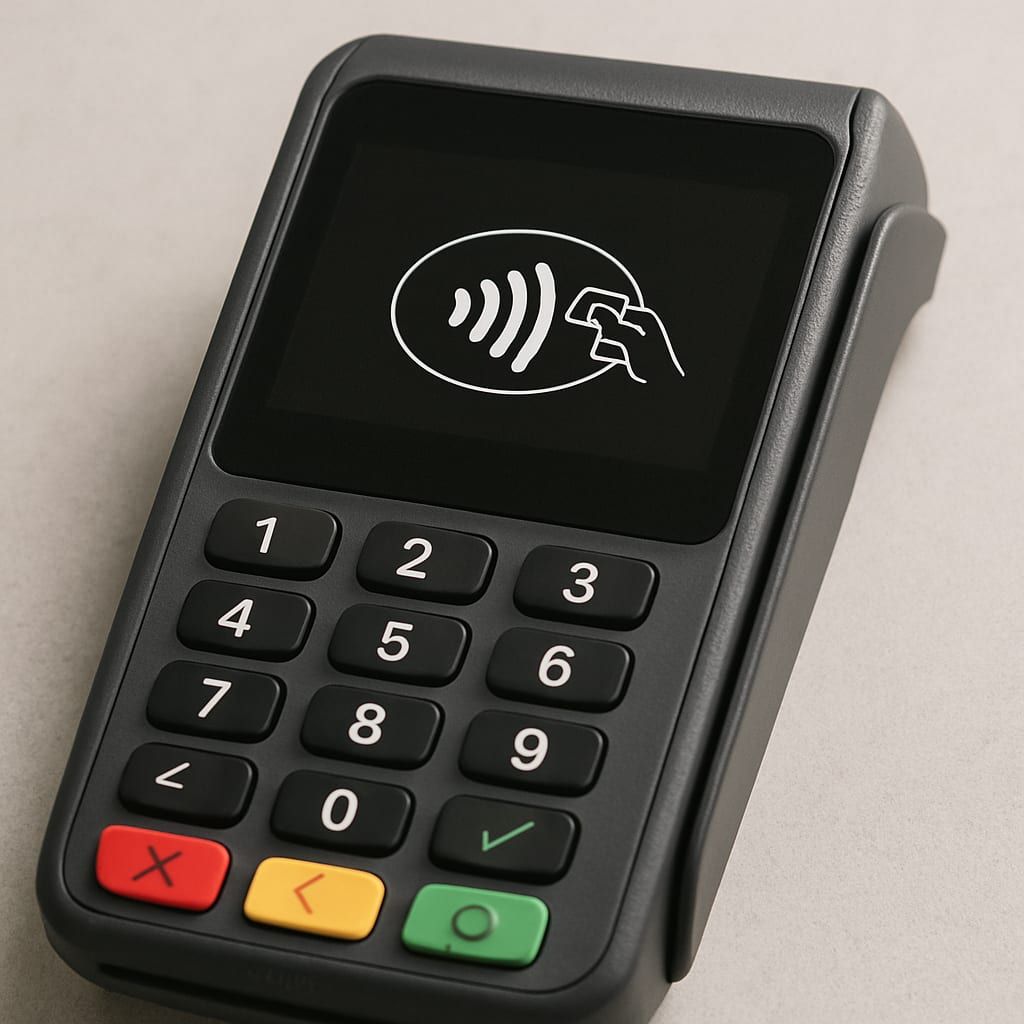
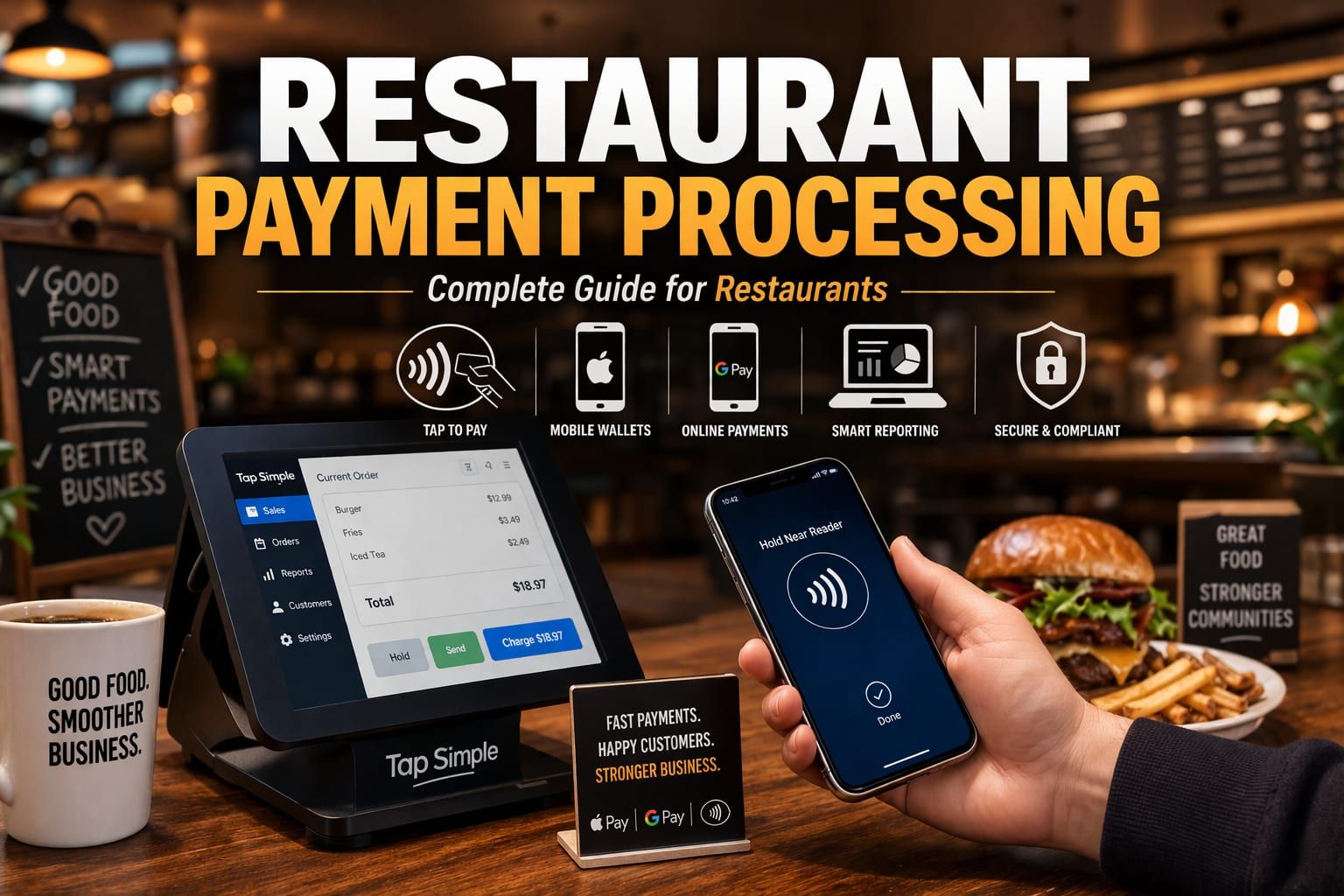
Mobile and contactless payments are now expected by customers. Tap-to-pay, mobile wallets, and QR-based payments are becoming standard, and your system should support all of them seamlessly. Offering flexible payment options improves the overall experience and helps you meet customer expectations.
POS integration is another critical factor. Your payment processor should work seamlessly with your restaurant POS system, allowing you to manage orders, payments, and reporting in one place. This reduces manual work and helps avoid errors during service.
Reporting and analytics tools provide valuable insights into your business. Being able to track sales trends, peak hours, and performance metrics helps you make better decisions and identify opportunities for growth.
Security and compliance are equally important. A reliable system ensures that transactions are encrypted and meet industry standards, protecting both your business and your customers from potential risks.
Ready to take cards?
Types of Restaurant Payment Systems
Different types of restaurants have different needs, and your payment system should reflect how your business operates.
Full-service restaurants typically rely on integrated POS systems that support table-side payments, tipping, and bill splitting. These features improve efficiency and enhance the dining experience.
Quick-service restaurants (QSR) prioritize speed and volume. Fast checkout systems and contactless payments are essential to keep lines moving and serve customers quickly.
Food trucks and mobile vendors require flexibility. Mobile payment systems and wireless terminals allow them to accept payments anywhere, without being tied to a fixed location.
Understanding your business model helps ensure you choose a system that fits your workflow rather than forcing you to adapt to the technology.
How to Choose the Best Payment Processing Solution
Follow this simple framework:
Step 1: Understand Your Business Needs
Consider your volume, average ticket size, and whether you handle in-person, online, or delivery orders.
Step 2: Compare Costs Carefully
Look beyond advertised rates and review the full pricing structure, including any hidden fees.
Step 3: Evaluate Features
Make sure the system supports your workflow and integrates with your existing tools.
Step 4: Think Long-Term
Choose a scalable solution that can grow with your business.
How to Reduce Payment Processing Costs
Reducing fees can significantly improve your margins.
One of the most effective strategies isfree credit card processing for restaurants, which allows you to offset or eliminate fees entirely.
Strategies include:
- Choosing the right pricing model
- Negotiating rates as your volume increases
- Using cash discount programs
- Avoiding hidden fees
Even small changes in your payment setup can lead to meaningful savings over time. Taking a proactive approach to managing costs is one of the most effective ways to increase profitability without raising prices.
For a detailed breakdown, see our guide on restaurant payment processing fees explained.
The Future of Restaurant Payments
Payment technology is evolving quickly, and restaurants that adapt early gain a competitive advantage.
Contactless payments continue to grow as customers prioritize speed and convenience. Mobile-first transactions are also becoming more common, with many customers preferring to pay using their phones instead of physical cards.
Integrated systems that combine POS, payments, and customer data are helping restaurants operate more efficiently while gaining deeper insights into their performance. These systems allow for better reporting, improved customer experiences, and more streamlined operations.
As these trends continue to develop, having a flexible and modern approach to restaurant payment processing will be essential. Businesses that invest in the right technology today will be better positioned to scale, adapt, and succeed in an increasingly competitive market.
Conclusion: Choosing the Right Restaurant Payment Processing Strategy
Restaurant payment processing is more than just accepting payments — it’s a key part of your overall business strategy.
The right system helps you:
- Reduce costs
- Improve efficiency
- Enhance customer experience
By understanding how restaurant payment processing works and evaluating your options carefully, you can make smarter decisions that directly impact your profitability. Small improvements in your setup—whether it’s choosing a better pricing model, upgrading your technology, or optimizing your checkout experience—can lead to meaningful gains over time.
It’s also important to think beyond your current needs. As your business grows, your payment system should be able to scale with you, supporting higher volumes, new sales channels, and evolving customer expectations. Investing in a flexible and reliable solution today can save you time, money, and operational challenges in the future.
Ultimately, the goal is simple: create a payment experience that is fast, seamless, and cost-effective—both for your business and your customers.
In today’s competitive market, restaurant owners can no longer afford to treat payments as just a backend function. Instead, restaurant payment processing should be viewed as a core part of your operations—one that influences everything from customer satisfaction to long-term profitability.
As customer expectations continue to evolve, flexibility becomes more important than ever. Guests want fast, seamless transactions whether they’re dining in, ordering online, or picking up takeout. A modern restaurant payment processing system ensures that every interaction feels smooth and professional, helping you build trust and encourage repeat business.
Another important factor to consider is visibility. The right setup gives you access to detailed reporting and insights, allowing you to better understand your sales patterns, peak hours, and customer behavior. With this data, you can make smarter decisions about staffing, pricing, and promotions. Over time, a well-optimized restaurant payment processing system can become a powerful tool for growth, not just a necessity for completing transactions.
Cost control also plays a major role. Many restaurant owners don’t realize how much they’re losing to inefficient pricing structures or hidden fees. By taking the time to review and optimize your restaurant payment processing, you can identify opportunities to reduce expenses and improve margins without making drastic changes to your business.
It’s also worth considering how your payment system fits into your overall technology stack. Integration with your POS, online ordering platform, and accounting tools can save time and reduce errors. A connected system simplifies your workflow and allows your team to focus more on delivering a great customer experience rather than managing disconnected tools.
Finally, consistency is key. A reliable restaurant payment processing solution should work smoothly every day, without interruptions or complications. When your system is dependable, your staff can operate with confidence, and your customers can complete transactions quickly and easily.
By approaching restaurant payment processing as a strategic investment rather than a simple necessity, you position your business for long-term success in an increasingly digital and fast-paced industry.
Frequent Asked Questions
What is restaurant payment processing?
It is the system that allows restaurants to accept card and digital payments.
How much do restaurants pay in processing fees?
Typically between 1.5% and 3.5% per transaction.
Can restaurants avoid credit card fees?
Yes, through models like cash discounting or dual pricing.
What is the best payment processor for restaurants?
It depends on your needs, volume, and pricing preferences.
Do I need a POS system for payment processing?
Most restaurants benefit from an integrated POS system.