






Free Credit Card Processing with Cash Discount Dual Pricing
Small businesses know the math: every card swipe can chip away at already-thin margins. Free credit card processing is the promise that you can still offer tap, chip, and swipe convenience without watching interchange and processor fees quietly drain the till. With Tap Simple, that promise is delivered through a cash discount dual-pricing model—not a surcharge-first approach—so cash and debit customers see a lower cash price while card customers pay the non-cash price that covers processing cost.
If you have been searching for free credit card processing*, this page explains what that phrase really means, how dual pricing works at the counter, who benefits most, and how to get started.
*All Tap Simple accounts have a $25 monthly minimum that is waived once your transaction fees exceed the $25 minimum
What free credit card processing actually means
In traditional merchant processing, the business absorbs a stack of costs on card sales—interchange, network fees, and processor margins. Over a month of busy weekends, those line items can become one of the largest invisible” expenses on the P&L.
Free credit card processing, in the Tap Simple sense, means the merchant can structure prices so processing cost is not taken out of the cash price the business intended to earn. Customers who pay with cash (or other discounted tender) receive the cash price. Customers who choose to pay with a card pay the non-cash price. The business is positioned to retain the cash-price revenue on the sale while still accepting the cards shoppers expect.
Live pricing on tapsimple.com/pricing/ markets ZERO transaction fees* alongside hardware and software options that start as low as $0 per month. That free” language always sits next to the account minimum disclosure above. Do not confuse zero transaction fees* with “no hardware, no software, no minimum ever”—hardware SKUs and optional Advanced software have listed prices on the pricing page.
Want the fee anatomy behind traditional statements? Pair this page with Tap Simple’s guides on credit card processing fees and cash discount vs. surcharge so buyers understand why dual pricing is the framing we use here.
How cash discount dual pricing works
Tap Simple’s cash discount program is built around clear dual pricing at the point of sale:
- 1. Set the cash price. List the base cash price for goods and services—the amount you want to earn when a customer pays cash (or other discounted tender).
- 2. Present the non-cash price for cards. When a customer pays with a credit card, the non-cash price includes the processing cost so the business is not forced to eat that cost out of the cash price.
- 3. Let the customer choose. Cash payers enjoy the cash discount. Card payers pay the non-cash price for the convenience of plastic or tap-to-pay.
- 4. Merchant receives the cash-price economics. Designed correctly, you are not surrendering a slice of every card ticket the way a traditional absorb-the-fee model does.
This is dual pricing / cash discounting—not a surcharge-as-primary story. Cash discount and credit-card surcharge programs are not identical; card-brand rules, disclosures, and state considerations differ. Tap Simple’s cash discount program is built on cash discounting, not surcharging.
Transparency matters. Post clear signage, train staff to explain cash vs. non-cash prices in plain language, and avoid surprising guests at the last second. Most customers accept dual pricing when it is explained as a cash discount rather than a hidden add-on.
Ready to see terminals and plans? Soft path: https://app.tapsimple.com — or compare hardware on https://tapsimple.com/pricing/
The hidden costs of traditional credit card processing
Traditional statements rarely look like a single tidy percentage. Transaction fees, monthly minimums, PCI or statement add-ons, and rate tiers can stack until owners stop auditing each batch. That opacity is why “free credit card processing searches spike—merchants want a model they can explain to a bookkeeper without decoding three pages of footnotes.
Tap Simples public pricing is intentionally readable: hardware options, monthly device fees where they apply, software Free vs Advanced, and the ZERO transaction fees* claim with the $25 monthly minimum disclosure. Always verify numbers on the live pricing page before repeating them elsewhere; never invent an interchange percentage for marketing copy.
*All Tap Simple accounts have a $25 monthly minimum that is waived once your transaction fees exceed the $25 minimum
Advantages for small businesses
Cost control at the register. Dual pricing lets you stop treating card acceptance as an automatic haircut on every ticket. When cash-price economics hold, savings can fund inventory, labor, or a better counter experience.
Profit retention. Keeping more of the cash price you set is the practical definition of free credit card processing for owners who live on thin margins.
Transparent customer conversation. Cash discount framing is easier to explain: “Heres the cash price; card is the non-cash price.” That beats a surcharge-first script that can feel punitive even when the math is similar.
Competitive convenience without fee dread. Shoppers still get tap, chip, and swipe. You still get paid. The difference is who bears processing cost under the dual-price structure.
Compliant-minded design. Cash discounting is distinct from surcharging, which can be restricted or heavily regulated depending on jurisdiction and card-brand rules. Positioning your program as cash discount dual pricing—and implementing it carefully—helps avoid the compliance pitfalls that come from treating surcharge” as the headline.
Who benefits most from free credit card processing
Trades and field service. Plumbers, electricians, HVAC techs, and other on-the-go workers collect payment on-site. Mobile-friendly readers and terminals matter as much as the fee model—so a job’s cash price stays intact when the customer taps a card in the driveway.
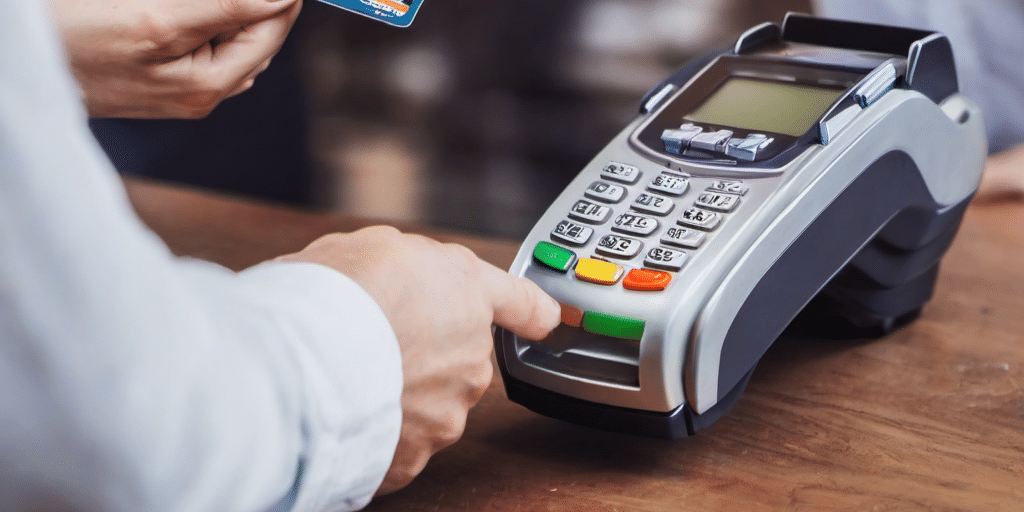
Retail and service counters. Boutiques, convenience shops, and service desks with steady card mix feel fee bleed most on high volume. Dual pricing plus a countertop Smart Terminal or Smart Flex (live pricing) keeps checkout fast while protecting margin language.
Mobile and pop-up sellers. Food trucks, markets, and pop-ups need pay-anywhere hardware. The 3-in-1 Reader on live pricing is listed FREE for compatible iOS/Android devices with contactless acceptpair it with the same cash-discount story at every stall.
High-volume small tickets. When average tickets are small, percentage fees hurt more. Cash discount dual pricing is especially relevant for quick-service and high-throughput retail patterns.
Hardware and software that match the model
From https://tapsimple.com/pricing/:
- 3-in-1 Reader — FREE. Use a compatible iOS or Android device to accept payments, including contactless.
- Smart Terminal $349.95 hardware + $14.95/mo. 5" touchscreen with Android software; EMV, NFC, magstripe; PIN debit; built-in receipt printer; front/back cameras for barcode scanning; 4G and WiFi; EBT capable.
- Smart Flex — $949.95 hardware + $99 setup + $44.95/mo. 8" touchscreen plus 4.3" customer-facing display; same core accept methods as Smart Terminal, built for a fuller counter experience.
Shared pricing claim: ZERO transaction fees*
Payments Hub software: Free tier at $0/mo; Advanced at $29.95/mo + hardware. New accounts include free Advanced for 30 days with an opt-out path to Free if those features are not needed. Every account includes sales, transactions, batch, deposits, reports, disputes, statements, employees, and virtual terminal tools per the live page.
*All Tap Simple accounts have a $25 monthly minimum that is waived once your transaction fees exceed the $25 minimum
Getting started with Tap Simple
- 1. Sign up. Start at https://app.tapsimple.com — soft CTA, no pressure copy.
- 2. Choose hardware that fits the day. Phone-based 3-in-1 for mobile; Smart Terminal or Smart Flex for counter-heavy retail.
- 3. Enable cash discount dual pricing. Configure cash vs. non-cash prices in your Tap Simple setup (support helps if you get stuck).
- 4. Educate your team. Practice the one-sentence explanation: cash price vs. non-cash price.
- 5. Communicate with customers. Signage and receipt clarity prevent friction and returns of goodwill.
Support is structured for small businesses—setup help and troubleshooting are a call away, matching the voice on live industry pages.
Tap Simple is payment processing: terminals, dual pricing, deposits, and reporting.
Start saving with free credit card processing
Free credit card processing is possible when you adopt a cash discount dual-pricing model that keeps your cash-price economics intact while still accepting cards. Tap Simple pairs that model with clear live pricing, flexible hardware, and small-business support.
Don’t let traditional processing fees quietly rewrite your margins. Apply now or compare plans.
Compare plans and hardware: https://tapsimple.com/pricing/
*All Tap Simple accounts have a $25 monthly minimum that is waived once your transaction fees exceed the $25 minimum